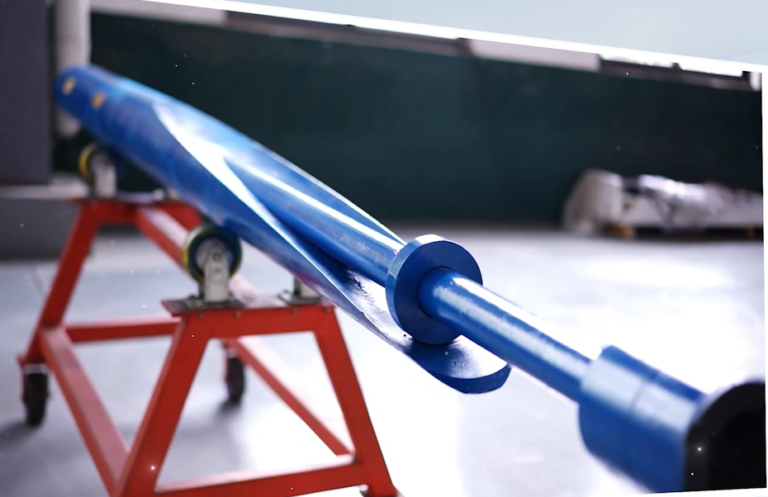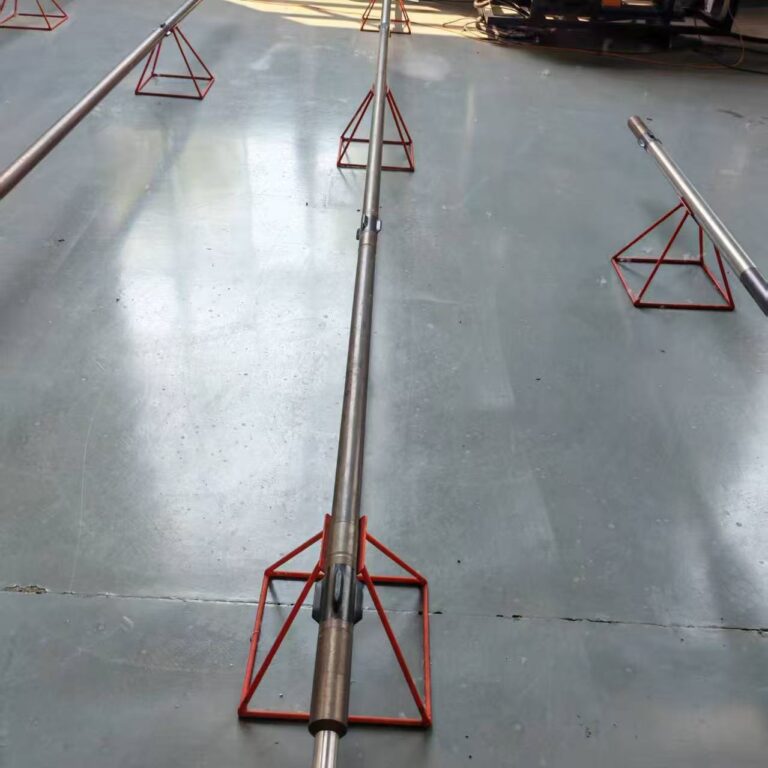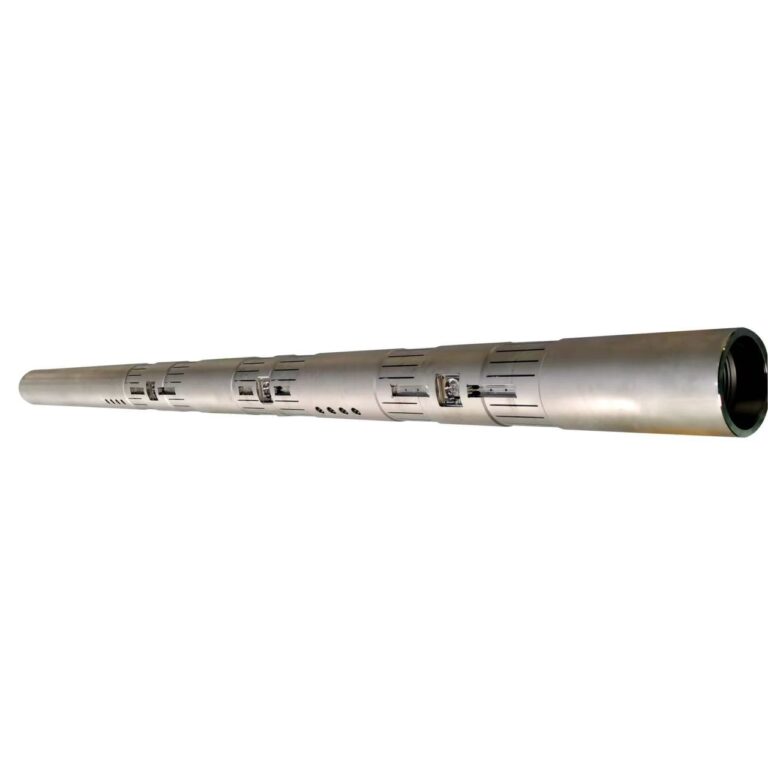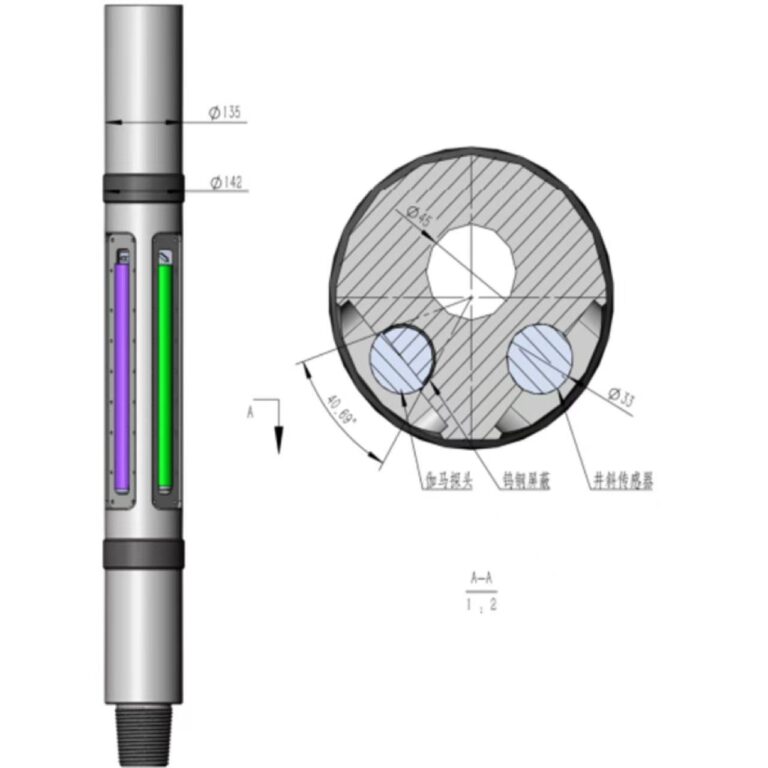



Multi-Strike Ball Bypass Valve: Multi-cycle wellbore cleanout using 6 large and 12 small balls vs. traditional one-shot drop-ball subs
During drilling, completion, and workover operations in formations prone to severe fluid losses, maintaining wellbore stability and clearing blockages without constant tripping is a major operational challenge. When evaluating Multi-Strike Ball Bypass Valve: Multi-cycle wellbore cleanout using 6 large and 12 small balls vs. traditional one-shot drop-ball subs, the technological leap in downhole efficiency becomes immediately apparent. Traditional drop-ball bypass subs allow only a single activation per run, forcing expensive and time-consuming trips out of the hole whenever additional sealing or cleanout cycles are required. To break this limitation, the Multi-Strike Ball Bypass Valve utilizes a sophisticated multi-activation architecture powered by an array of 6 large and 12 small activation balls, providing up to 6 distinct open/close cycles in a single trip.
1. Engineering Architecture of Multi-Cycle Fluid Bypass
Unlike single-use tools that require immediate retrieval after one drop, the multi-strike ball bypass valve integrates an intelligent internal sleeve and a dedicated ball catcher sub.
- Dual-Size Ball Matrix: Employs 6 large and 12 high-strength plastic activation balls designed to sequentially engage the internal valve seat, providing multiple activation and deactivation sequences per run.
- Independent Flow Reconfiguration: Once activated by a deployed ball, mud pressure shifts the internal mandrel downward to open the bypass ports, routing heavy fluids or lost circulation materials directly into the annulus without being restricted by pump rates.
- Integrated Ball Catcher Sub: Captures and secures the spent balls within a bottom catcher basket below the valve, preventing downstream migration while keeping the BHA bore clear for normal fluid circulation.
2. Key Operational Advantages
- Drastic Reduction in Tripping Frequency: Eliminates multiple trips out of the hole for wellbore sealing, saving days of non-productive time (NPT) and significantly lowering overall operational costs.
- Enhanced Well Control Security: Prevents severe U-tubing anomalies and fluid loss hazards when pumps are shut down, ensuring steady hydrostatic balance and safeguarding rig assets.
- Reliable Multi-Tasking Capability: Supports up to 6 operational open/close cycles per trip, allowing crews to handle recurring loss zones and cleanout tasks seamlessly.
3. Downhole Durability and Materials
Machined from premium alloy steels compliant with NACE standards, the valve body and internal wear components withstand intense hydraulic pressures, high-velocity abrasive slurries, and aggressive downhole environments.
4. Conclusion
Multi-cycle wellbore management transforms the economics of troublesome drilling campaigns. By replacing single-use devices with a robust multi-strike ball system, operators achieve unprecedented flexibility, safety, and cost reduction.