


«الحارس الأساسي»: ملخص شامل لأنظمة IBOP للحفاظ على سلامة حفرة البئر
مع اختتامنا لهذا الاستعراض المتعمق لمجموعة قاع البئر (BHA) والتحكم في ضغط سلسلة الحفر، من الضروري تلخيص دور أنظمة IBOP (مانع الانفجار الداخلي). بدءًا من الصمامات العائمة البسيطة وصولاً إلى الصمامات الفحصية القابلة للاسترداد المتطورة، تشكل هذه المكونات خط الدفاع “الداخلي” ضد تدفق السوائل من التكوين، مما يضمن بقاء سلسلة الحفر قناة خاضعة للسيطرة بدلاً من أن تكون مسارًا محتملاً لحدوث انفجار.
1. الفلسفة الأساسية لأنظمة IBOP
الهدف الرئيسي لنظام IBOP هو الاحتواء. في حين أن مجموعة BOP الأساسية تتولى التعامل مع الفراغ الدائري، فإن مجموعة IBOP تتولى التعامل مع “الجزء الداخلي” من سلسلة الحفر. ويعتمد النظام القوي على التكرار والتوزيع الاستراتيجي:
- مفهوم الحاجز: يجب أن يتضمن كل برنامج حفر حاجزين مستقلين على الأقل داخل سلسلة أنابيب الحفر. ويتم تحقيق ذلك عادةً من خلال مزيج من الصمامات العائمة الثابتة، وصمامات البوابة في أنابيب الحفر، وأنظمة العزل ذات المحرك العلوي.
- النظام الميكانيكي مقابل النظام الهيدروليكي: تتنوع الأنظمة الحديثة بين الأجهزة الميكانيكية السلبية (الصمامات العائمة) والأنظمة الهيدروليكية النشطة (الصمامات البوابية)، مما يتيح للحفار الانتقال من الاستجابة التلقائية إلى التحكم المتعمد أثناء حدوث ركدة.
2. توليف المكونات المشمولة
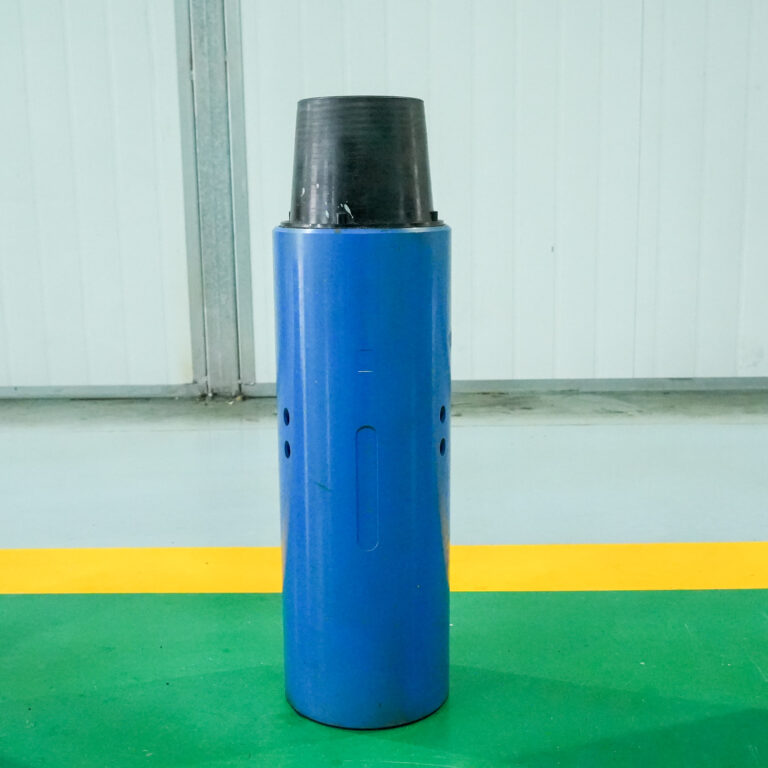
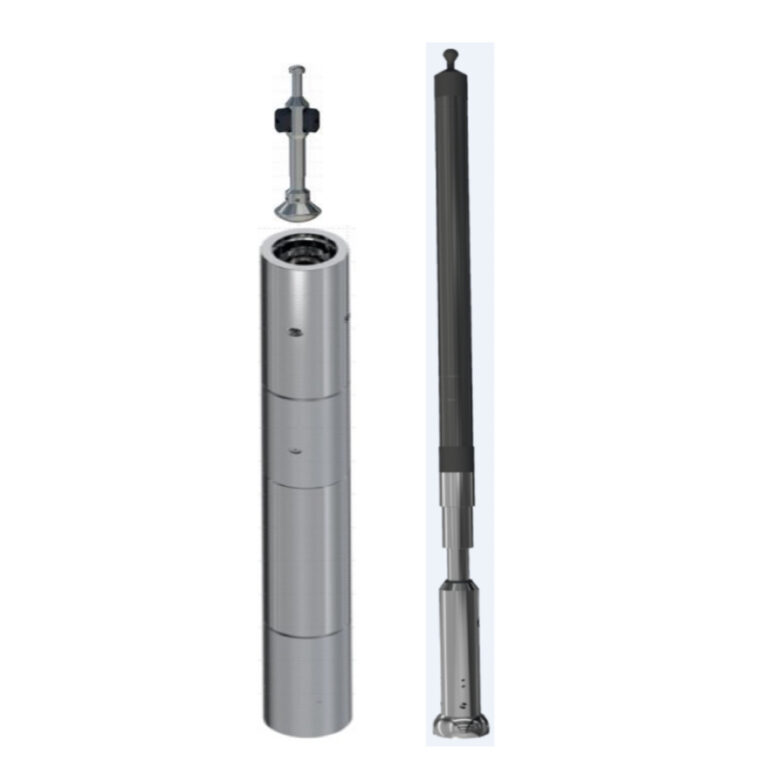
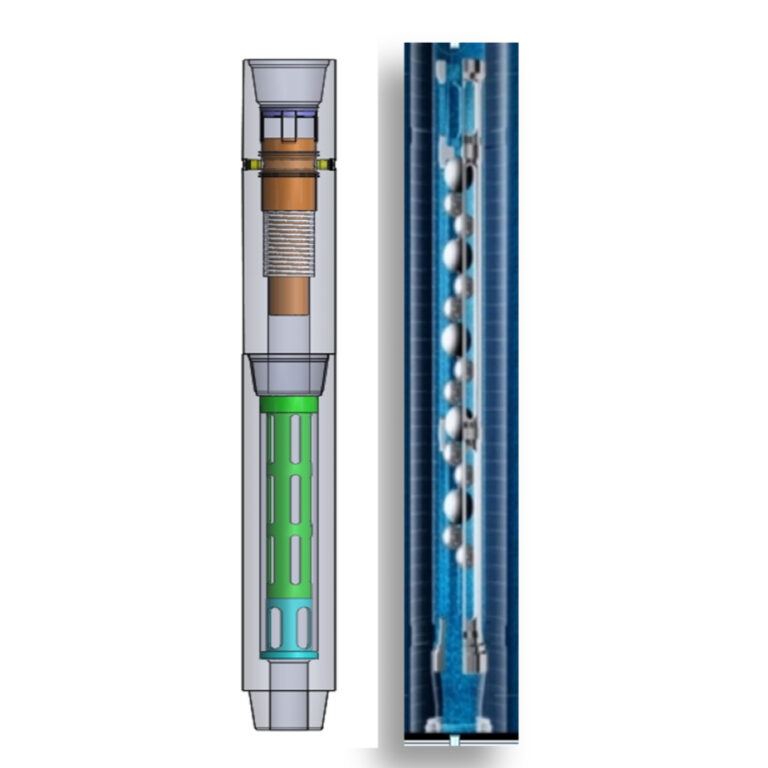
- صمامات العوامة (السيراميكية، حقنية، ذاتية الشفط): الحواجز الآلية لـ“الاستجابة الأولية” التي تمنع التدفق العكسي دون تدخل بشري.
- صمامات البوابة (للأنابيب المربعة، ذات المحرك العلوي): الحواجز اليدوية/الهيدروليكية التي توفر عزلًا عالي الضغط وتتيح تنظيم التدفق وإجراء الاختبارات.
- الأنظمة القابلة للاسترداد: طبقة المرونة التي تتيح إجراء أعمال الصيانة وتغييرات التكوين دون تكبد التكاليف الباهظة التي ينطوي عليها سحب مجموعة الأدوات الحفرية (BHA).
3. الاستراتيجيات الرئيسية للنزاهة
- التوحيد القياسي: تأكد من أن جميع المكونات — بدءًا من الوحدة الفرعية للهبوط وصولاً إلى الصمام البوابي — مصممة لتحمل الحد الأقصى المتوقع للضغط السطحي (MASP) للبئر.
- اختبارات صارمة: لا يُعتبر أي نظام IBOP صالحاً دون إجراء اختبار ضغط موثق. وينبغي أن يكون مبدأ “الاختبار أثناء التشغيل” هو البروتوكول القياسي لكل مكون من مكونات مجموعة أدوات الحفر (BHA).
- الصيانة القائمة على الحالة: إن التحول من جداول الاستبدال التعسفية إلى الصيانة القائمة على الحالة (فحص التآكل، والإجهاد، وتدهور السدادات) يقلل بشكل كبير من خطر حدوث عطل “داخل الحفرة”.
4. الخلاصة: ثقافة السلامة
سلامة حفرة البئر ليست نتيجة لأداة واحدة؛ بل هي نتيجة لـ النظام. من خلال دمج الصمامات العائمة عالية الأداء، والصمامات البوابية الموثوقة، ونظام فحص منظم، يمكن للمشغلين تحويل سلسلة الحفر الخاصة بهم إلى بيئة آمنة وخاضعة للرقابة. مع انتقالنا إلى المرحلة التالية من سلسلتنا الفنية — مسار حفرة البئر والقياس — تذكروا أن أساس نجاح البئر هو القدرة على الحفاظ على التحكم المطلق في الضغط داخل سلسلة الحفر.