


How Alloy Anti-Wear Joints Reduce Torque and Extend Tool Life: The Science of Metal-to-Metal Optimization
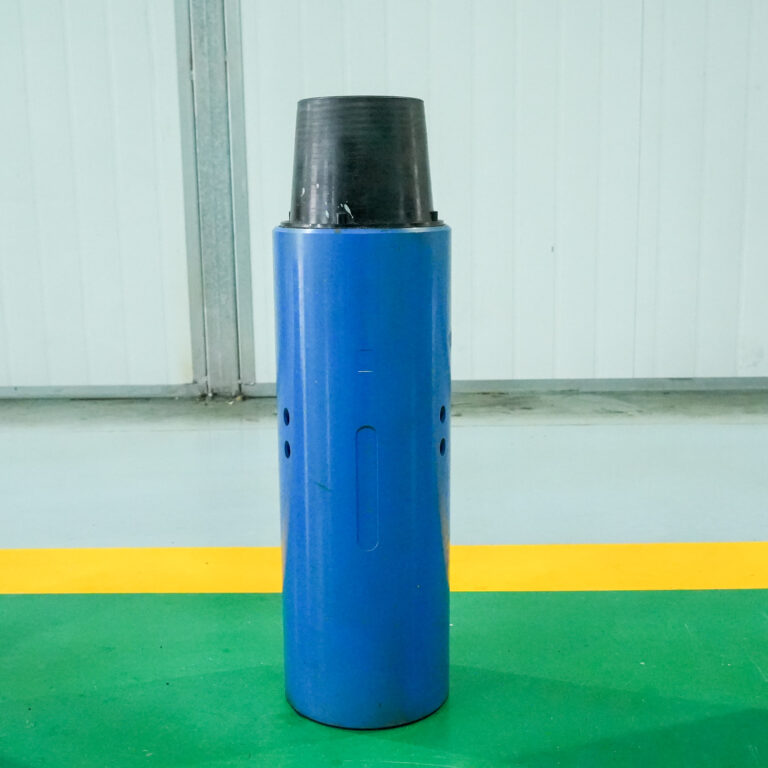
In modern drilling, particularly in long-reach laterals and high-curvature wellbores, the tool joints of a drill string are subjected to extreme lateral forces. These forces create a “grinding” interface between the drill string and the casing or formation. To combat the resulting torque and mechanical wear, the industry relies on Alloy Anti-Wear Joints. By utilizing advanced metallurgy and specialized hardfacing, these joints act as a high-durability shield that optimizes the mechanics of the entire drill string.
1. Advanced Metallurgy: The Alloy Advantage
Unlike standard drill pipe tool joints, Anti-Wear Joints are engineered with specific alloy compositions—typically high-strength 4145H Mod alloy steel.
- Surface Hardening: The surface of the joint is reinforced with “Casing Friendly” hardbanding. This is a critical distinction; older hardfacing materials were often too abrasive for casing.
- Low Friction Coefficient: Modern alloys are formulated to have a significantly lower coefficient of friction than standard steel. This ensures that even when contact occurs, the energy loss is minimized.
2. Strategic Torque Reduction in High-Angle Wells
As the wellbore transitions from vertical to horizontal, the lateral load on the tool joints increases exponentially. This contact creates “parasitic torque,” which robs the bit of rotational energy.
- Reducing Rotational Resistance: Alloy Anti-Wear Joints provide a dedicated contact point that is smoother and more lubricated (at a molecular level) than the rest of the string.
- Maintaining ROP: By lowering the overall torque profile of the well, these joints allow the driller to maintain higher RPM and a more consistent Rate of Penetration (ROP), even in the deepest sections of the lateral.
3. Extending the Lifecycle of the Drill String
Every time a tool joint rubs against the formation, it loses material. Over time, this leads to “under-gauge” joints that compromise the structural integrity and hydraulic seal of the string.
- Sacrificial Protection: The hardbanding on an Anti-Wear Joint is designed to be the primary wear surface. It is far easier and more cost-effective to re-apply hardbanding to an Anti-Wear Joint than to replace an entire section of drill pipe.
- Preventing Fatigue: By smoothing out the vibrations associated with high-friction contact, these joints reduce the cyclic stress on the threaded connections (the weakest point of any string), thereby preventing washouts and twist-offs.
4. Casing-Friendly Engineering
A major concern with “hard” anti-wear tools is their impact on the casing. 2026 technology focuses on Smooth-Surface Hardbanding.
- Polished Finish: The alloy bands are precision-ground to a mirror-like finish. This ensures that the joint “glides” along the casing wall rather than “cutting” into it.
- Metallurgical Compatibility: The hardfacing is designed to be slightly softer than the casing steel in terms of “cutting” capability but harder in terms of “compressive” wear, achieving a perfect balance between string protection and casing integrity.
5. Operational Versatility
Alloy Anti-Wear Joints are versatile tools that can be placed strategically throughout the BHA or at regular intervals in the drill string.
- Kick-off Sections: Ideal for the “curve” where lateral forces are highest.
- High-Abrasive Formations: Essential when drilling through sands or granites that would otherwise “eat” standard steel joints in hours.
6. Conclusion
The Alloy Anti-Wear Joint is a fundamental tool for any operator focused on mechanical drilling efficiency. By reducing torque through superior metallurgy and providing a sacrificial wear surface for the rest of the drill string, these joints ensure that tools stay in the hole longer and perform at their peak. In the high-cost environments of modern exploration, they are a small investment that delivers a massive return in BHA longevity.