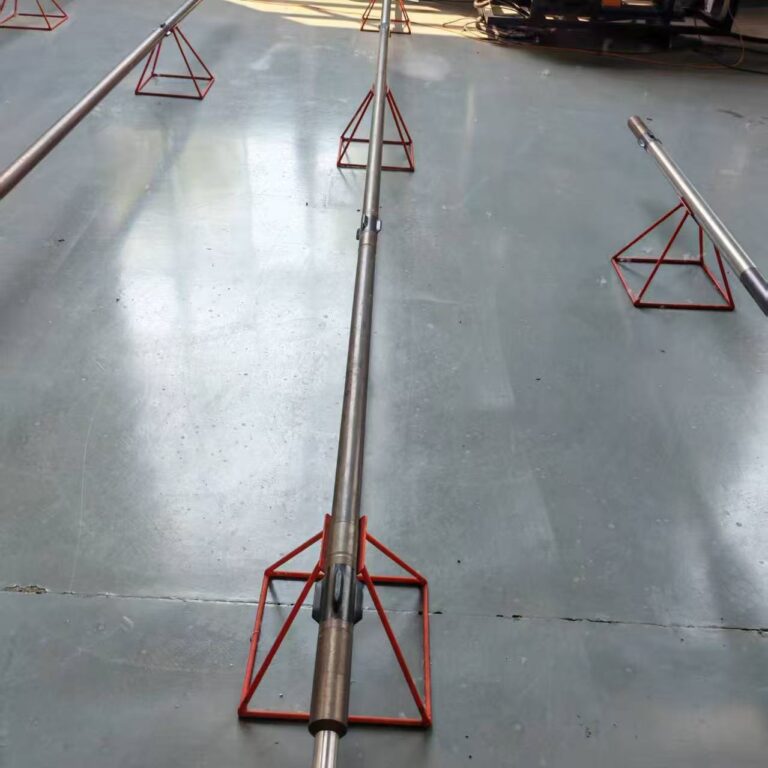



Remote-Controlled Variable-Diameter Stabilizer: Hydraulic pump-actuated real-time gauge control (1/12″ to 3/4″) vs. static fixed-blade stabilizers
Controlling wellbore trajectory in complex directional and horizontal wells using conventional bottom-hole assemblies (BHAs) often requires frequent sliding drilling sections, which increases reactive weight, reduces ROP, and causes steering difficulties. When evaluating Remote-Controlled Variable-Diameter Stabilizer: Hydraulic pump-actuated real-time gauge control (1/12″ to 3/4″) vs. static fixed-blade stabilizers, the technological shift from static geometry to dynamic wellbore control is game-changing. Unlike traditional fixed-blade stabilizers that maintain a rigid outer diameter throughout a run, the Remote-Controlled Variable-Diameter Stabilizer responds directly to rig operator commands via pump start-stop sequences, adjusting its outer support diameter in real-time to optimize build, hold, and drop characteristics while rotating.
1. Engineering Architecture of Hydraulic Gauge Control
Unlike fixed-blade tools or complex electronic wired systems, this variable-diameter stabilizer relies on a reliable mechanical-hydraulic differential pressure architecture.
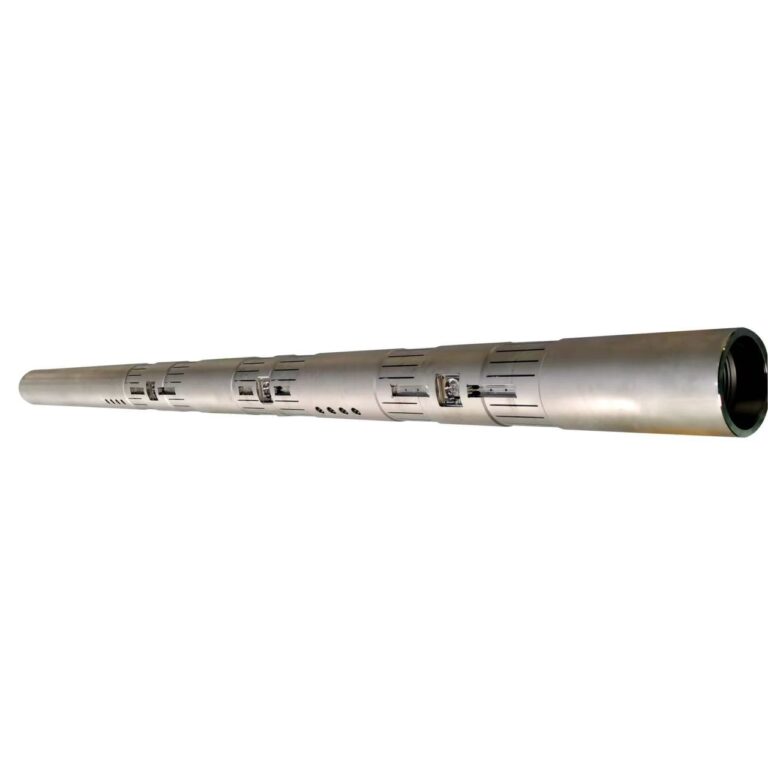
- Integral Spiral Blade Configuration: Features three robust spiral blades equipped with a total of fifteen support pistons (five per blade) that extend and retract dynamically.
- Pressure-Differential Actuation: Pistons extend outward under the differential pressure between the internal bore and the wellbore annulus (requiring a working differential of at least 3.1 MPa), and retract via internal spring force when pumps are shut down.
- Two Distinct Working States: Supports two active pump-on working states—extending to a working small diameter or a working large diameter—providing a variable-diameter adjustment range from 1/12 inches to 3/4 inches depending on tool specifications.
2. Key Operational Advantages
- Elimination of Excessive Sliding Sections: Enables conventional power BHA assemblies to build, hold, or drop inclination while continuously rotating, drastically cutting sliding drilling intervals.
- Enhanced ROP and Weight Transfer: Reduces friction, minimizes reactive torque loss, and improves mechanical drilling speed to hit acceleration targets.
- Seamless Rig-Floor Control: Allows fast, easy adjustment of downhole mechanical properties simply by starting and stopping the mud pumps from surface monitors.
3. Downhole Durability and Specifications
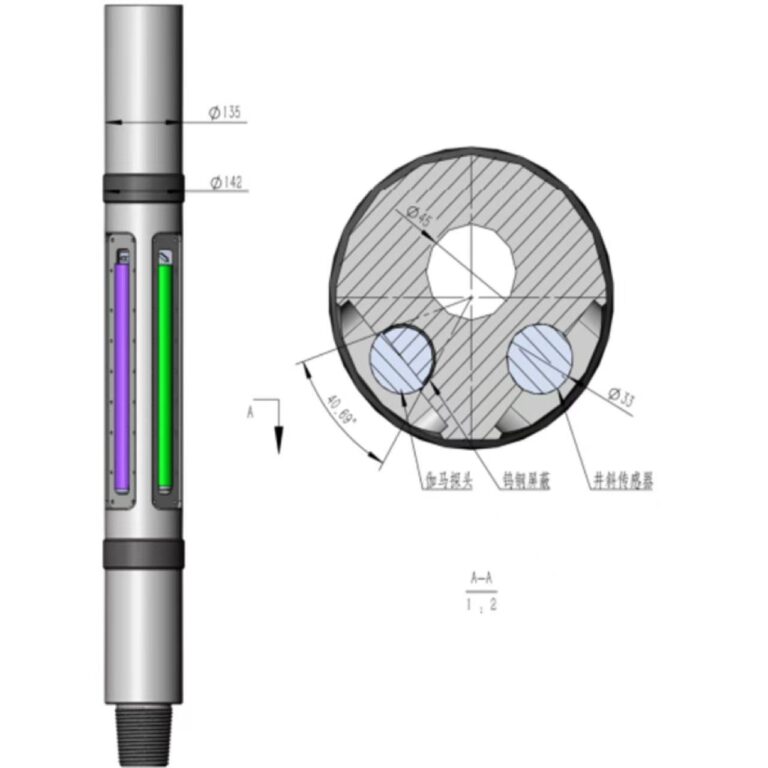
Engineered across multiple models (such as RAGS-163 through RAGS-308) to fit wellbore sizes from 6-1/2 inches to 12-1/4 inches, the stabilizer is forged from high-strength alloy steel to endure heavy torsional and axial loading in aggressive drilling environments.
4. Conclusion
Dynamic trajectory management is essential for maximizing performance in modern extended-reach wells. By replacing rigid fixed-blade tools with the hydraulic Remote-Controlled Variable-Diameter Stabilizer, operators achieve precise gauge control, reduced friction, and superior rate of penetration.