


Why Anti-Splash Valves Are Important for Surface Safety: Enhancing Drilling HSE Standards
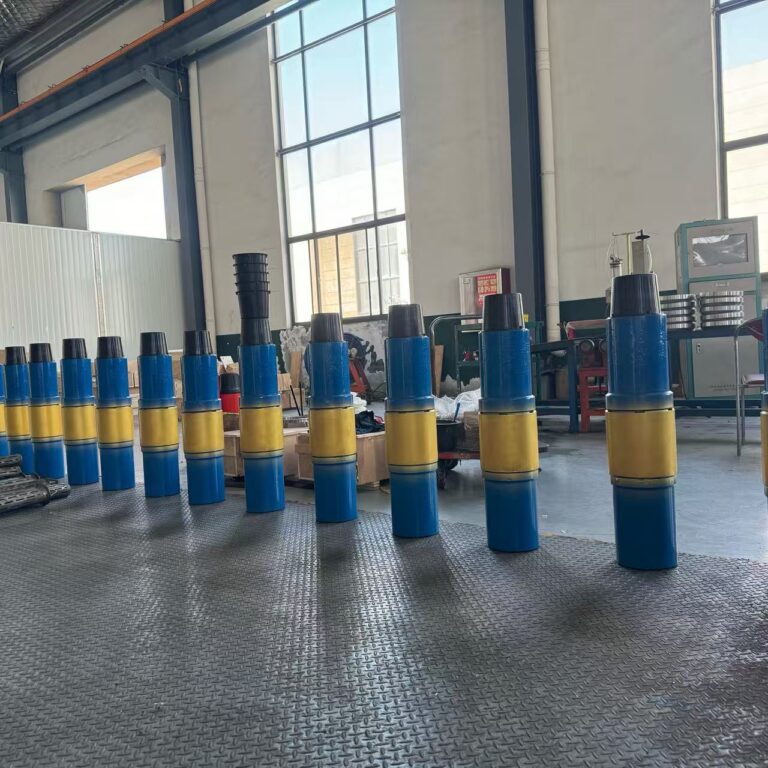
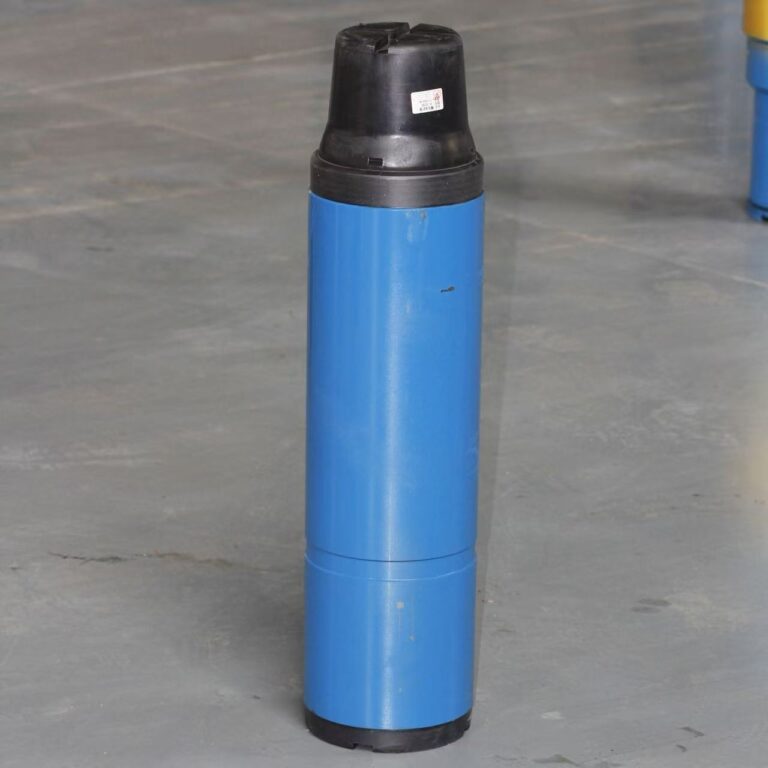
In the high-pressure environment of oil and gas drilling, safety discussions often center on downhole pressure control and blowout prevention. However, the management of the rig floor environment is equally vital for operational success. One of the most effective, yet often overlooked, tools for maintaining a safe surface environment is the Anti-Splash Valve (also known as a Mud Saver Valve).
1. Preventing Slip, Trip, and Fall Accidents
The rig floor is a high-traffic area where precision and stability are paramount. When drill pipes are disconnected during a trip or connection, residual drilling fluid (mud) often sprays out due to gravity or internal pressure.
- The Hazard: If oil-based mud (OBM) or synthetic-based mud (SBM) coats the rig floor, the surface becomes extremely slick.
- The Solution: The Anti-Splash Valve acts as a temporary seal at the bottom of the drill string. By containing the mud within the pipe during disconnection, it ensures a dry and clean working environment, significantly reducing the probability of slip-and-fall injuries—the most common accidents on a drilling rig.
2. Improving Environmental Stewardship and Compliance
As global environmental regulations for 2026 become increasingly stringent, the accidental release of drilling fluids is no longer just a cleanup issue—it is a compliance risk.
- Minimizing Spillage: In offshore environments or sensitive onshore locations, any mud that escapes the drill string and enters the environment can lead to heavy fines and operational shutdowns.
- HSE Excellence: Using Anti-Splash Valves demonstrates a commitment to Best Available Techniques (BAT) in environmental management, helping operators maintain their “Social License to Operate.”
3. Protecting Personnel from Chemical Exposure
Modern drilling fluids are complex chemical mixtures containing additives that can be hazardous upon contact.
- Occupational Health: Reducing mud spray minimizes the risk of workers inhaling aerosols or suffering from skin irritation caused by chemical exposure.
- Enhanced Visibility: A clean rig floor and clean equipment allow for better visual inspections of other critical components, ensuring that potential mechanical issues are spotted before they escalate.
4. Operational Efficiency and Cost Control
Beyond safety, the Anti-Splash Valve is a tool for economic efficiency.
- Reduced NPT (Non-Productive Time): Every spill requires time to clean. By eliminating the source of the mess, the crew can focus on the next connection, maintaining a faster drilling cadence.
- Mud Conservation: High-performance drilling fluids are expensive. By keeping the mud inside the system rather than on the floor, Anti-Splash Valves help reduce the total volume of fluid required for the project, leading to significant cost savings over time.
5. Technical Design: Engineering for Reliability
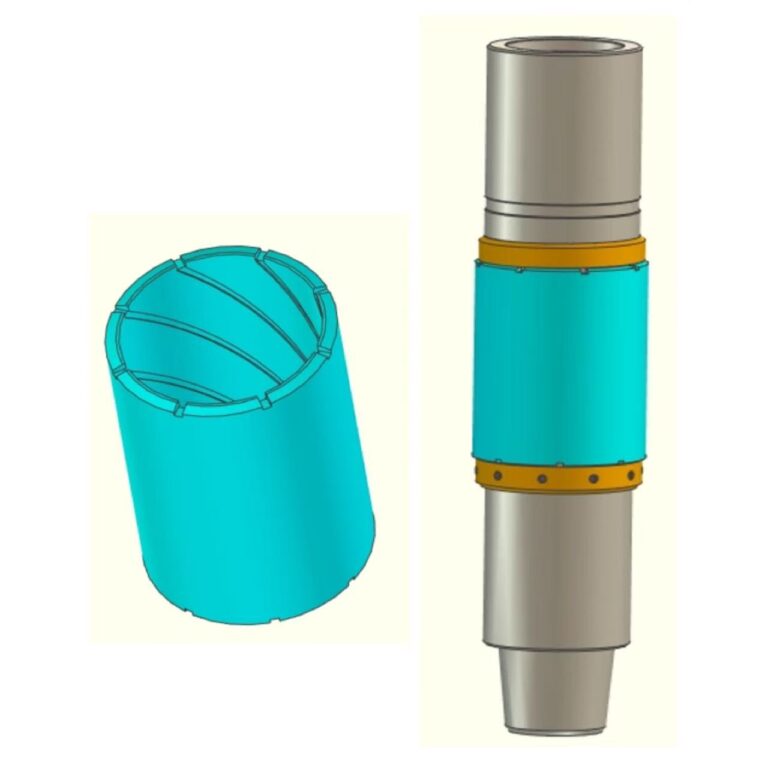
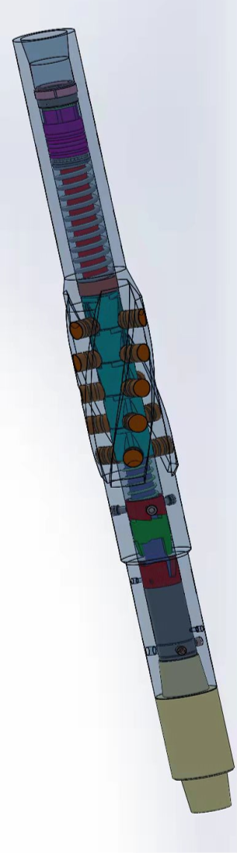
A high-quality Anti-Splash Valve utilizes a robust, spring-loaded mechanism.
- Pressure-Sensitive Activation: The valve remains closed by default. When the mud pumps are engaged, the differential pressure overcomes the spring tension to allow circulation.
- Instant Mechanical Seal: The moment pumps are turned off, the valve snaps shut. Our valves are manufactured from high-strength 4145H alloy steel with reinforced sealing surfaces to withstand the abrasive nature of high-solids mud.
6. Conclusion
While the Anti-Splash Valve may be a small component in the drill string, its impact on surface safety, environmental protection, and operational efficiency is profound. Investing in premium anti-splash technology is a direct investment in the safety and health of the drilling crew and the profitability of the project.