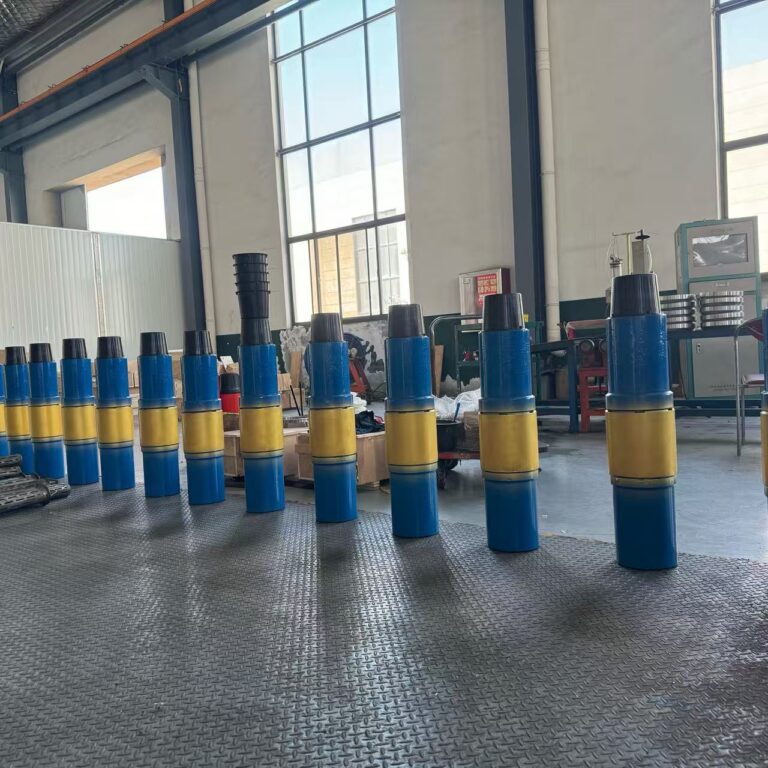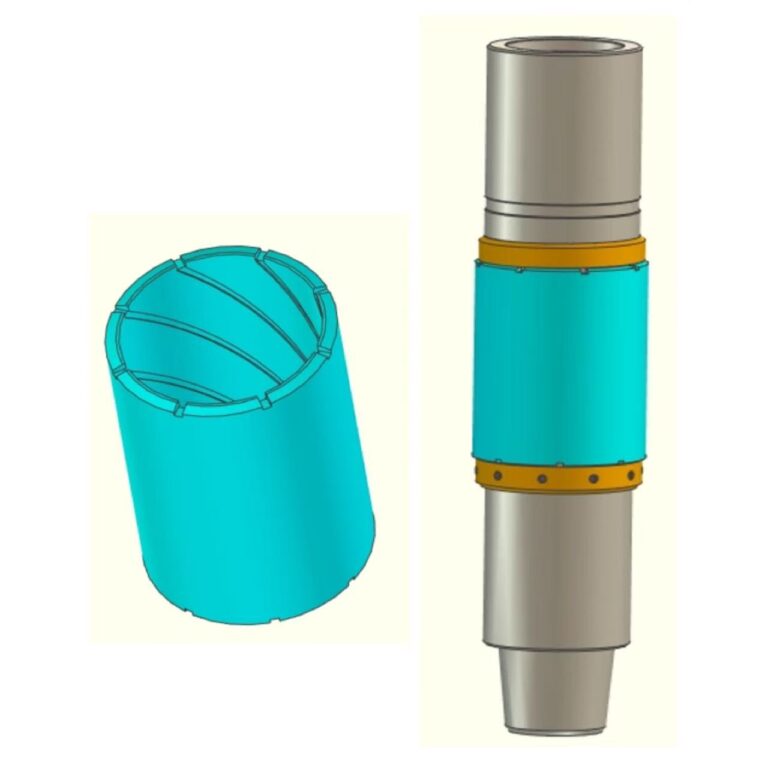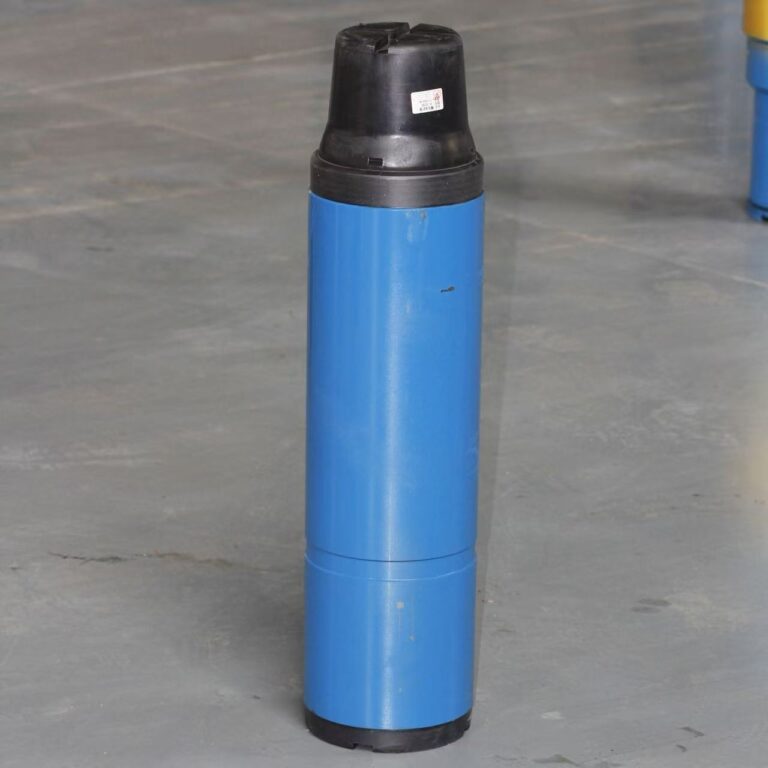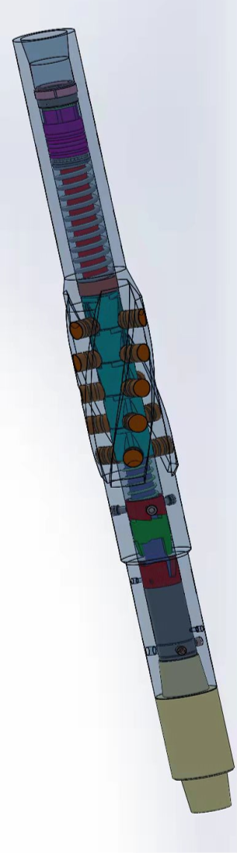



The Foundation of Fluid Control: Core Hydraulics Architecture of Standard Bypass Valves
While advanced drop-ball and intelligent activation systems capture much of the attention in modern drilling, the backbone of downhole fluid routing remains the Standard Bypass Valve. Engineered to manage baseline circulation paths, differential pressures, and fluid evacuation during tripping, standard bypass subs are fundamental to efficient BHA hydraulics. Understanding their core architecture is essential for optimizing mud flow and protecting the drill string.
1. The Core Hydraulics Principles of Bypass Design
A standard bypass valve operates on differential pressure principles between the internal drill string and the wellbore annulus.
- Flow Path Management: During normal drilling operations, internal fluid pressure forces the internal sleeve or flapper downward, sealing the bypass ports and directing 100% of the mud flow down through the bit nozzles.
- Automatic Evacuation (Drainage): When pumps are shut down and the string is pulled out of the hole (tripping), internal pressure drops, causing the valve mechanism to open. This allows trapped fluid in the upper string to drain back into the annulus, keeping the rig floor clean and dry.
- Hydraulic Balancing: Petrogears standard bypass architecture is meticulously calibrated to ensure smooth transitions between circulating and non-circulating states without generating erratic pressure spikes.
2. Key Operational Advantages
- Rig Floor Safety: Prevents hazardous mud spills and saturation on the rig floor during pipe connections and trips, significantly reducing slip-and-fall hazards.
- String Preservation: Ensures that stagnant fluid and heavy cuttings do not settle and pack off inside closed top-drive assemblies or upper drill pipe intervals.
- Reliable Mechanical Simplicity: With fewer moving parts and no complex electronic or drop-ball dependencies, standard bypass valves offer exceptional reliability in routine drilling environments.
3. Engineering for Durability and Flow Efficiency
- Streamlined Internal Geometry: Internal flow paths are polished and optimized to minimize turbulent pressure loss (parasitic pressure drop) while mud pumps are running at high rates.
- Corrosion and Wear Resistance: Built with high-grade alloy steels and hardened internal seating surfaces to resist the abrasive scouring of high-velocity drilling muds.
4. Conclusion
Standard bypass valves may be simple in concept, but their engineering requires precision execution. By mastering the core hydraulics architecture of these foundational tools, Petrogears ensures that every string we equip maintains safe, efficient, and reliable fluid control from surface to total depth.