


The Economics of Friction: Comparative Casing Wear Protection Strategies in Rotary Casing Operations
As wells grow deeper, more deviated, and increasingly extended-reach, the mechanical interaction between the rotating drill string and the steel casing strings becomes a silent profit killer. Continuous metal-on-metal contact causes severe casing wall degradation, risking wellbore integrity, costly workovers, or catastrophic parted strings. Developing a robust wear-protection strategy is not merely an engineering choice—it is a critical economic imperative. Implementing the right protective hardware ensures long-term wellbore stability while controlling total operating expenditures.
1. The Mechanics of Casing Wear
Casing wear is driven by a combination of contact force (side-load), rotational speed (RPM), and cumulative sliding friction as the drill string turns against the inner wall of intermediate or surface casing strings.
- High-Risk Zones: The highest degradation rates occur in build sections and doglegs where lateral side-loads spike exponentially.
- The Cost of Failure: Unmitigated casing wear can lead to loss of pressure containment, expensive mechanical patch jobs, or compromised zonal isolation, destroying the long-term economic value of the well.
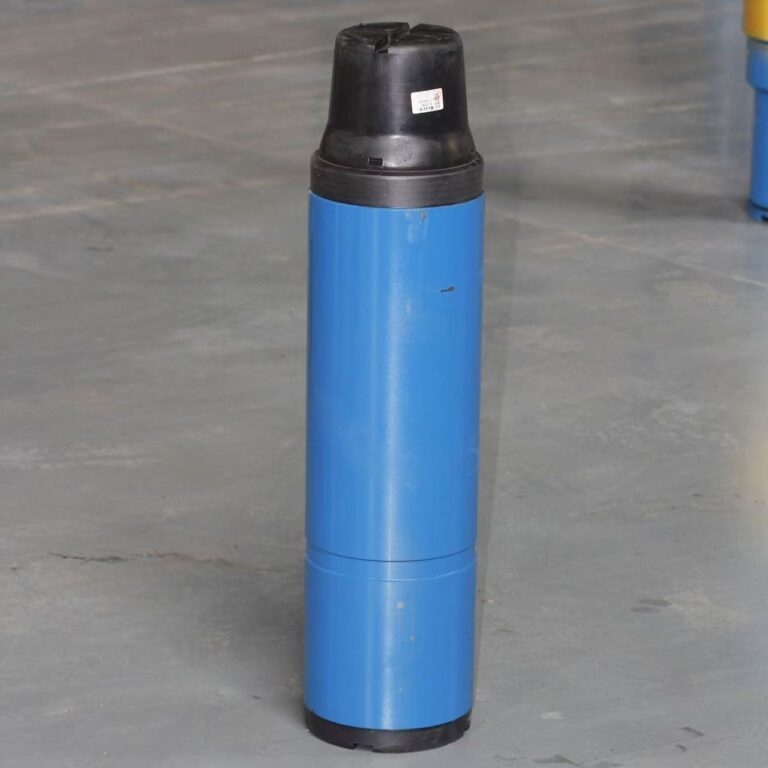
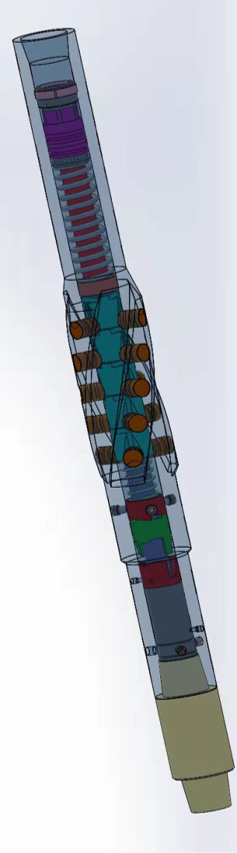
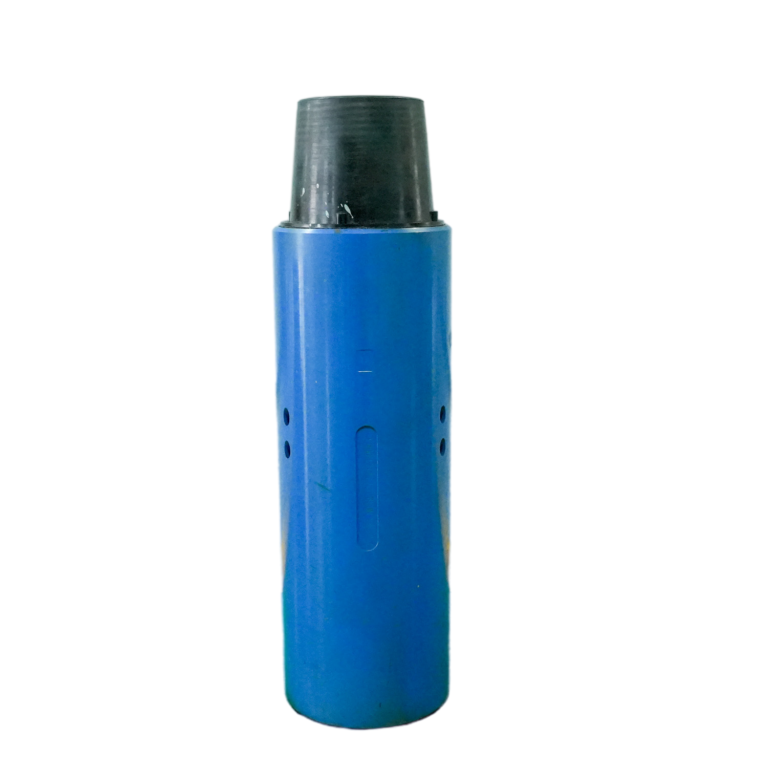
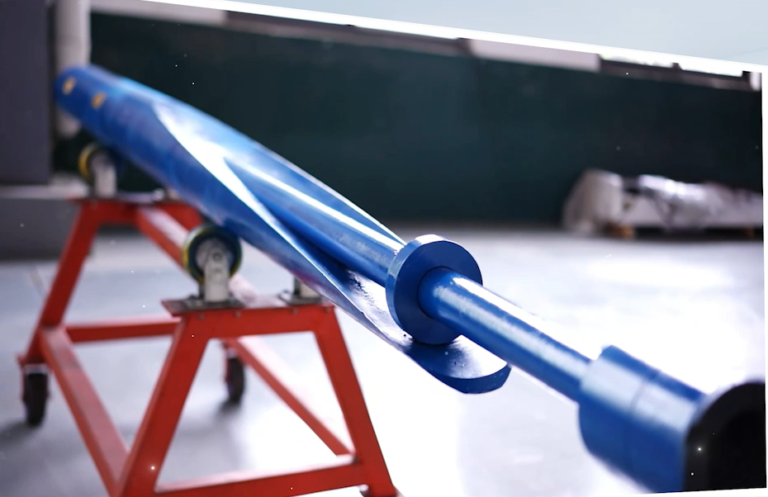
- Proactive Mitigation: Rather than reacting to wall thinning after it happens, modern operators deploy engineered wear-resistant joints and protective sleeves designed to absorb sacrificial friction.
2. Key Operational Advantages of Strategic Protection
- Preserving Burst and Collapse Ratings: By keeping drill string steel from gouging the casing wall, structural design margins remain intact throughout the life of the well.
- Drastically Reduced Torque and Drag: Lowering the coefficient of friction directly reduces surface torque on top drives and lowers axial drag during tripping, extending equipment service life.
- Tailored Material Deployment: Selecting the appropriate wear-protection mechanism allows operators to match protection levels to specific wellbore abrasiveness and budget constraints.
3. Engineering for Comprehensive Asset Preservation
- Optimized Placement Strategy: Petrogears engineering protocols analyze wellbore trajectory surveys to pinpoint high-side-load nodes, ensuring protection devices are placed precisely where friction peaks.
- Seamless Integration: Protective devices are designed to maintain optimal annular clearance, ensuring fluid circulation and cementing efficiency are never compromised by added tool bulk.
4. Conclusion
Friction management is the bridge between mechanical drilling efficiency and long-term asset integrity. By implementing smart, comparative wear-protection strategies, Petrogears helps operators safeguard their casing investments against the inevitable forces of deep-well rotation.