


Why Directional Subs Are Critical for MWD Systems: The Foundation of Precision Drilling
In modern directional drilling, every minor angular deviation can result in hundreds of feet of displacement. While Measurement-While-Drilling (MWD) systems provide the critical downhole data, it is the Directional Sub (Directional Sub-assembly) that provides the mechanical leverage required to turn that data into controlled action. Far from being a simple connector, the directional sub is the core mechanical component that enables precise trajectory navigation.
1. What is a Directional Sub?
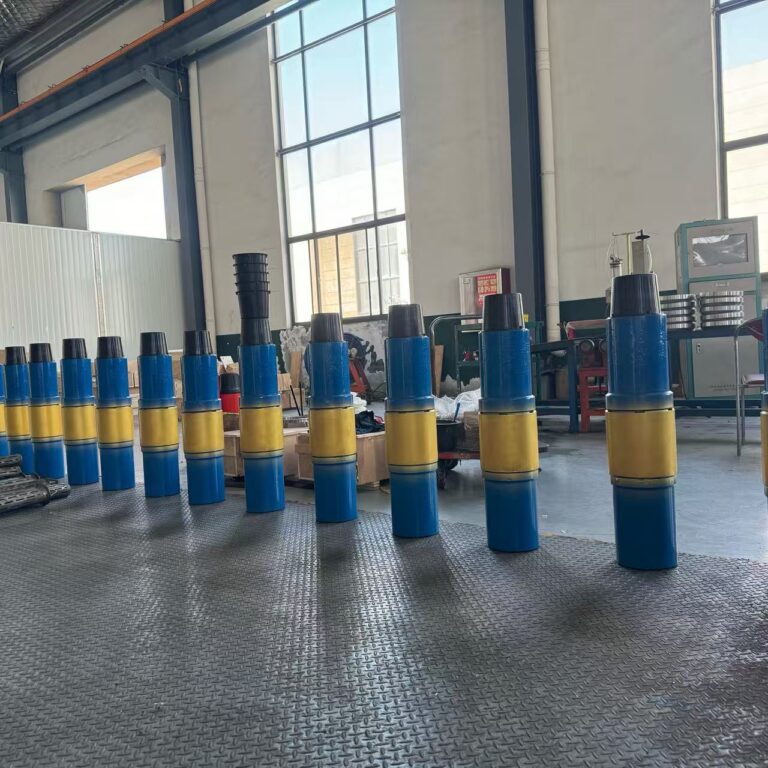
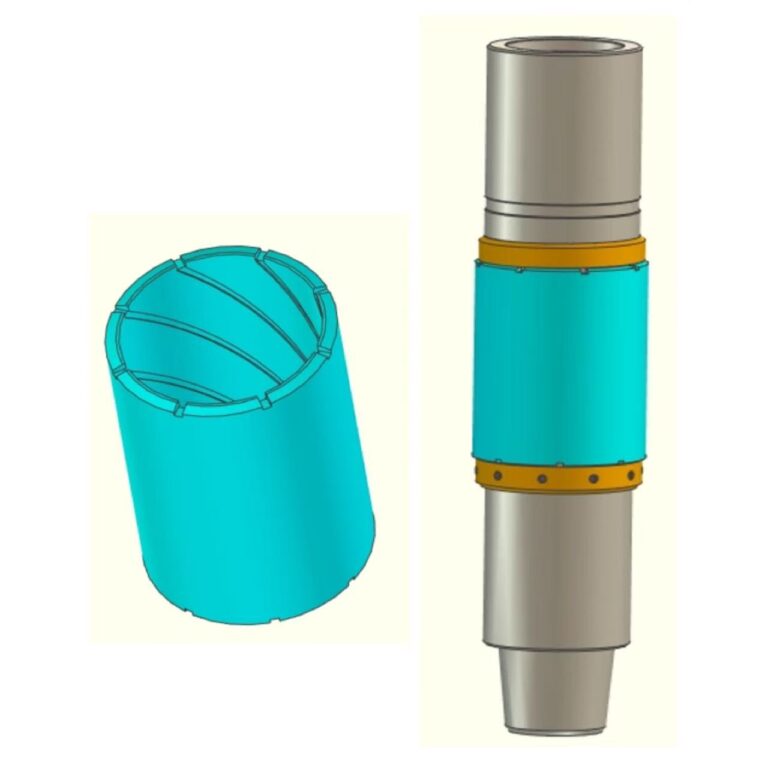
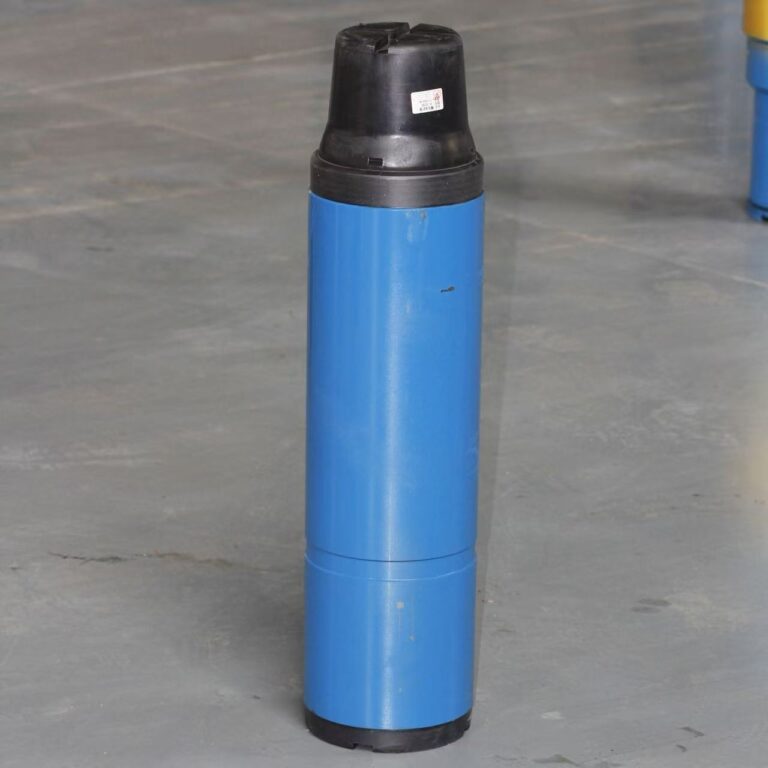
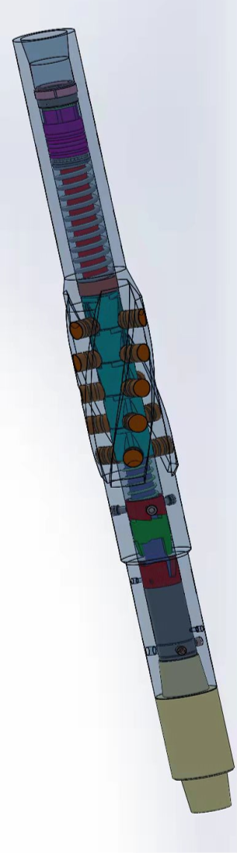
A directional sub is a specialized BHA component engineered with precise geometric configurations to provide the side-loading or steering force required by the drill bit. They often feature calculated eccentricities or specific “bent” geometries that dictate the direction and rate at which a wellbore deviates.
2. The Core of Trajectory Control
Directional subs work in tandem with MWD modules to achieve “Attitude Control” of the wellbore:
- Steering Force Generation: By utilizing specific bend designs, directional subs generate consistent side-loading forces during rotation or sliding, allowing the bit to change direction as required by the geosteering plan.
- Dogleg Management: They are essential for managing Dogleg Severity (DLS). By selecting directional subs with specific parameters, engineers can precisely control the build rate of the wellbore, ensuring a smooth path that reduces torque and drag for future operations.
3. Closing the Loop: Data Meets Mechanics
The directional sub provides a stable “platform” for MWD systems to perform:
- Toolface Alignment: MWD sensors measure the toolface, while the directional sub translates that orientation into physical deflection. Without the geometric precision of the sub, the MWD data would lose its physical reference point.
- Vibration Dampening: High-quality directional subs are engineered to minimize harmful drill-string vibrations, allowing MWD sensors to operate in a more stable environment, which significantly improves data accuracy.
4. Performance in Extreme Conditions
In horizontal wells or complex reservoir operations, directional subs endure massive bending stresses and abrasive forces:
- High-Strength Materials: Typically manufactured from premium alloy steels and heat-treated to withstand extreme drilling torque and high-pressure/high-temperature (HPHT) environments.
- Wear-Resistant Design: For abrasive formations, the outer surfaces of these subs are often treated with specialized hard-facing to maintain their geometric integrity over long periods, preventing trajectory drift in long lateral sections.
5. Conclusion
The Directional Sub is the “mechanical actuator” of the MWD system. It converts the “directional data” measured by electronic sensors into the physical “movement” of the drill bit. In the high-precision drilling environment of 2026, selecting high-precision directional subs that are seamlessly integrated with your MWD architecture is fundamental to achieving drilling excellence.