


Downhole Tool Lifespan Management: How Filtration, Stabilization, and Calibration Extend Tool Life
In modern drilling operations, downhole tools such as MWD, LWD, and measurement instruments operate in extremely harsh environments characterized by high temperature, high pressure, vibration, and abrasive drilling fluids.
Without proper protection and system design, these conditions can significantly reduce tool lifespan, increase maintenance costs, and cause operational downtime.
To ensure reliable long-term performance, drilling systems must integrate three key protection strategies: filtration, stabilization, and calibration.
1. Filtration: Protecting Sensitive Downhole Components
Drilling fluids often contain solids, debris, and metal particles generated during drilling. If these contaminants enter sensitive components such as:
- Mud pulse generators
- Pressure sensors
- Directional sensors
- Electronic modules
they can cause mechanical blockage, wear, or signal degradation.
Key Filtration Solutions
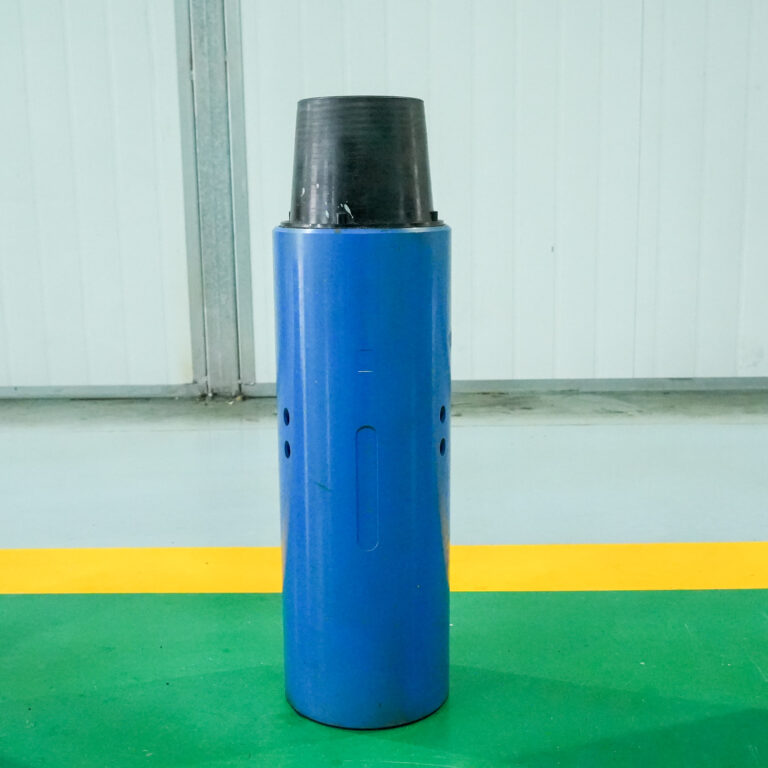
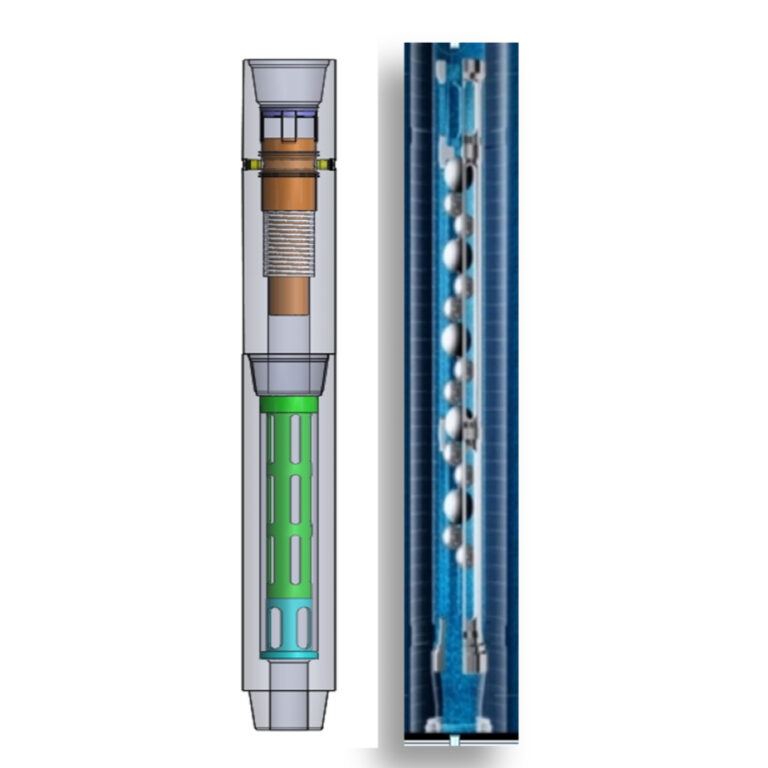
Filter Sub
Installed in the BHA above sensitive tools, filter subs remove large particles from drilling fluid before they enter the measurement system.
Benefits include:
- Preventing debris from damaging MWD components
- Maintaining stable mud pulse signals
- Extending tool service intervals
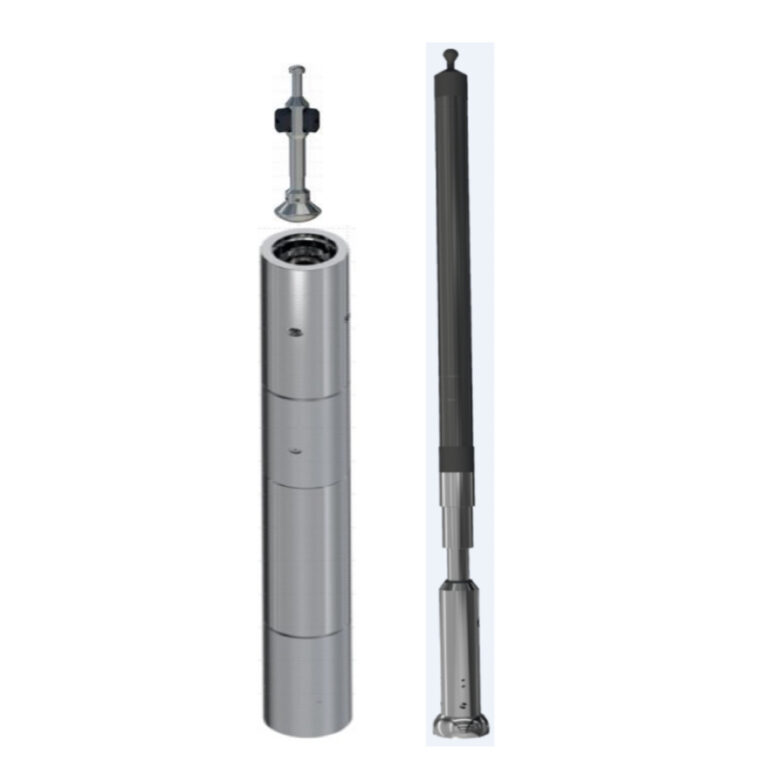
Drill Pipe Filters
These provide an additional layer of protection, especially in drilling environments with high solid content or lost circulation materials.
Effective filtration significantly reduces internal tool wear and operational failures.
2. Stabilization: Reducing Vibration and Mechanical Stress
Downhole drilling tools are constantly exposed to torsional vibration, lateral vibration, and shock loads.
Excessive vibration can lead to:
- Sensor damage
- Signal instability
- Premature mechanical wear
- Failure of electronic components
Stabilizer Solutions
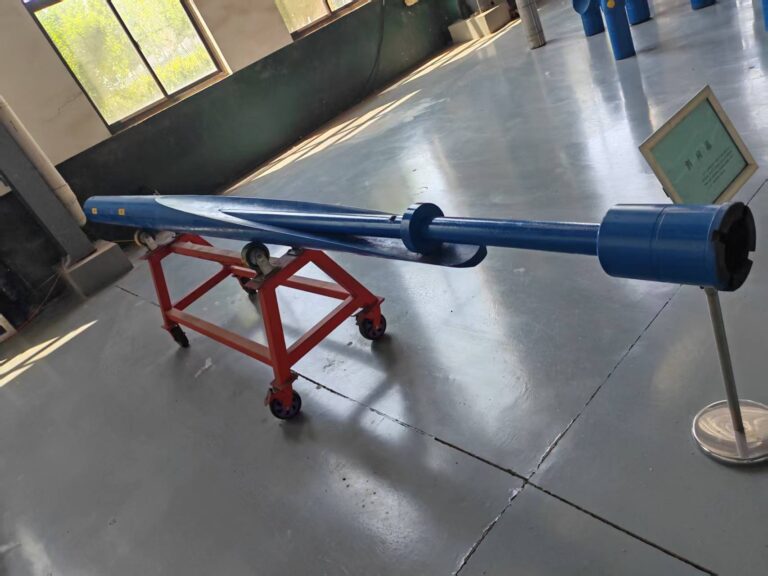
Adjustable Stabilizers
Allow engineers to optimize BHA stability according to well conditions.
Integral Blade Stabilizers
Provide strong structural support and help maintain consistent wellbore trajectory.
Proper stabilization ensures:
- Reduced vibration levels
- Improved directional control
- Increased reliability of MWD measurements
3. Calibration: Ensuring Measurement Accuracy Over Time
Even with mechanical protection, sensor accuracy can gradually drift due to high temperature and mechanical stress.
Intelligent calibration systems are therefore essential.
Modern Calibration Platforms Provide
- High-temperature simulation environments
- Multi-axis sensor calibration
- Real-time accuracy verification
- Automated testing and diagnostics
Regular calibration helps maintain:
- Accurate inclination and azimuth measurements
- Reliable directional control
- Consistent drilling performance
Integrated Protection Strategy
The most reliable drilling systems combine filtration, stabilization, and calibration into a single integrated strategy.
This approach provides several key advantages:
✔ Extended downhole tool lifespan
✔ Reduced operational downtime
✔ Improved drilling efficiency
✔ Lower maintenance and replacement costs
When properly implemented, these protection strategies ensure that MWD systems and drilling tools operate reliably from surface to bit.
Conclusion
Effective downhole tool lifespan management is critical for modern drilling operations.
By integrating advanced filtration systems, optimized BHA stabilization, and intelligent calibration platforms, operators can significantly enhance tool reliability and performance.
As drilling environments become increasingly complex, adopting a system-level protection strategy will be essential for maintaining efficiency and reducing operational risks.