


Maximizing Downhole Tool Lifespan Through Filtration, Stabilization, and Calibration
Downhole tools operate in one of the harshest industrial environments on earth:
- High pressure
- Extreme temperature
- Continuous vibration
- Abrasive drilling fluids
- Heavy mechanical shock
Without proper protection, tool failure is not a question of if — but when.
Extending tool lifespan requires a system-level approach, not just stronger materials.
1️⃣ Filtration: The First Line of Defense
Drilling fluids often carry:
- Metal debris
- Cuttings
- Sand
- Solid contaminants
When these particles enter sensitive tools such as:
- MWD systems
- Pulser assemblies
- Circulation valves
They can cause:
- Seal damage
- Valve sticking
- Pressure instability
- Signal degradation
Solution:
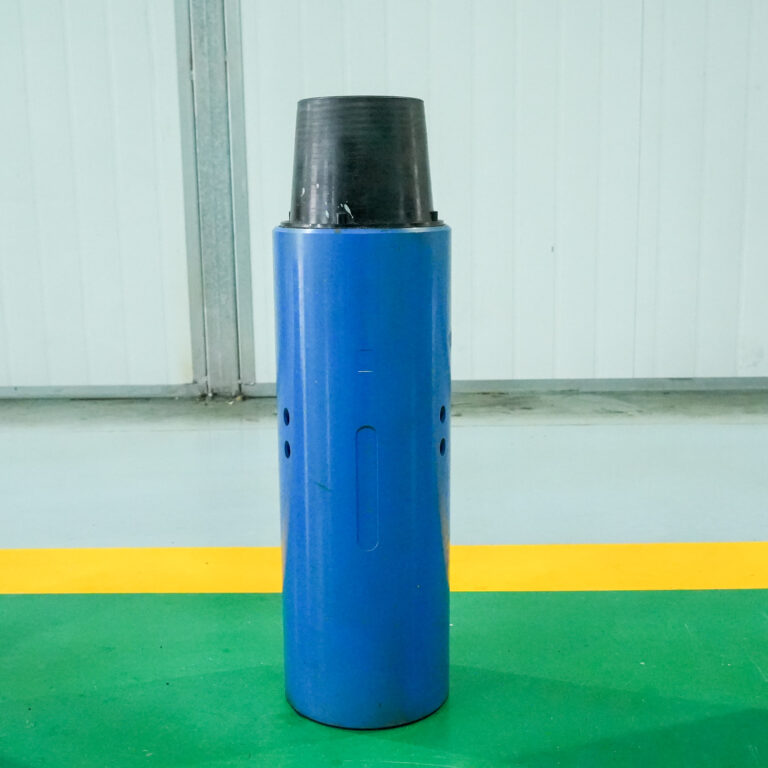
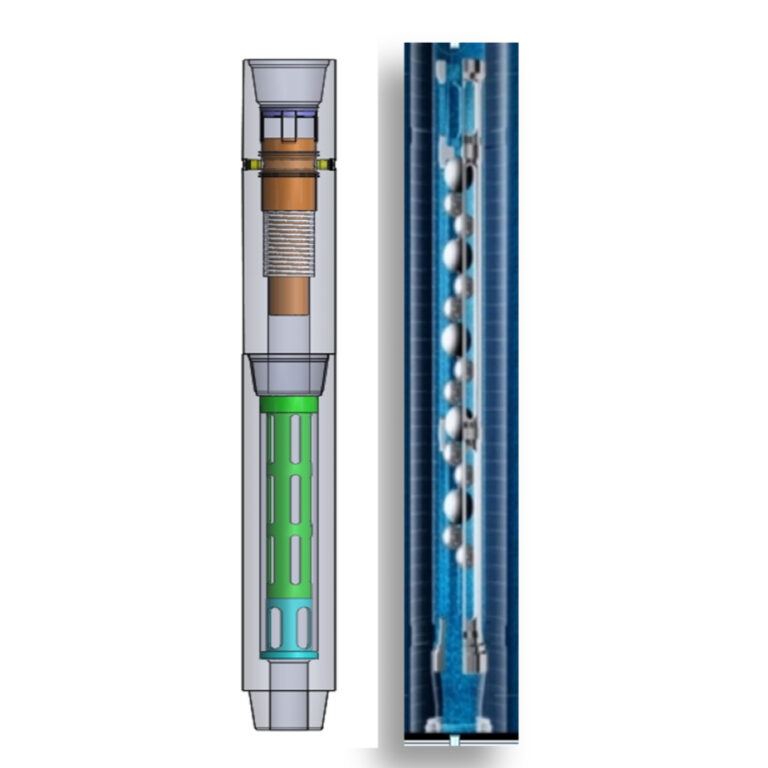
✔ Install high-efficiency filter subs
✔ Control filtration micron rating
✔ Perform routine inspection
Effective filtration significantly reduces internal wear and unexpected shutdowns.
2️⃣ Stabilization: Controlling Mechanical Stress
Excessive vibration and lateral movement can shorten tool life dramatically.
Common issues include:
- Bearing fatigue
- Electronic connector loosening
- Thread damage
- Housing cracks
Stabilization strategies:
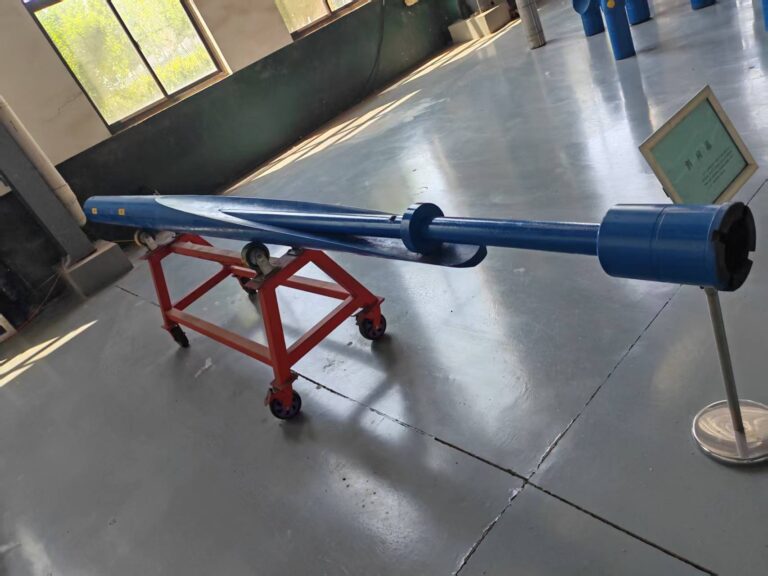
✔ Proper stabilizer placement
✔ Shock and vibration damping design
✔ Balanced drill string configuration
✔ Reduced lateral whip
Mechanical stability directly impacts electronic survival.
3️⃣ Calibration: Accuracy Prevents Overload
Poorly calibrated tools may operate outside optimal parameters.
Consequences include:
- Overpressure stress
- Misinterpreted data
- Delayed response
- Increased corrective drilling
Precision calibration ensures:
✔ Accurate pressure readings
✔ Stable signal decoding
✔ Optimized pulser performance
✔ Reduced energy consumption
Calibration is not optional — it protects both data and hardware.
4️⃣ Integrated System Thinking
Filtration, stabilization, and calibration must work together.
A strong pulser alone cannot survive in contaminated mud.
A stable drill string alone cannot compensate for poor calibration.
Tool lifespan improves when:
- Mechanical protection
- Hydraulic protection
- Electronic validation
are engineered as one integrated solution.
Conclusion
Extending downhole tool lifespan reduces:
- Non-productive time (NPT)
- Repair cost
- Operational risk
- Tool replacement frequency
In modern drilling operations, protection is not an accessory — it is a necessity.