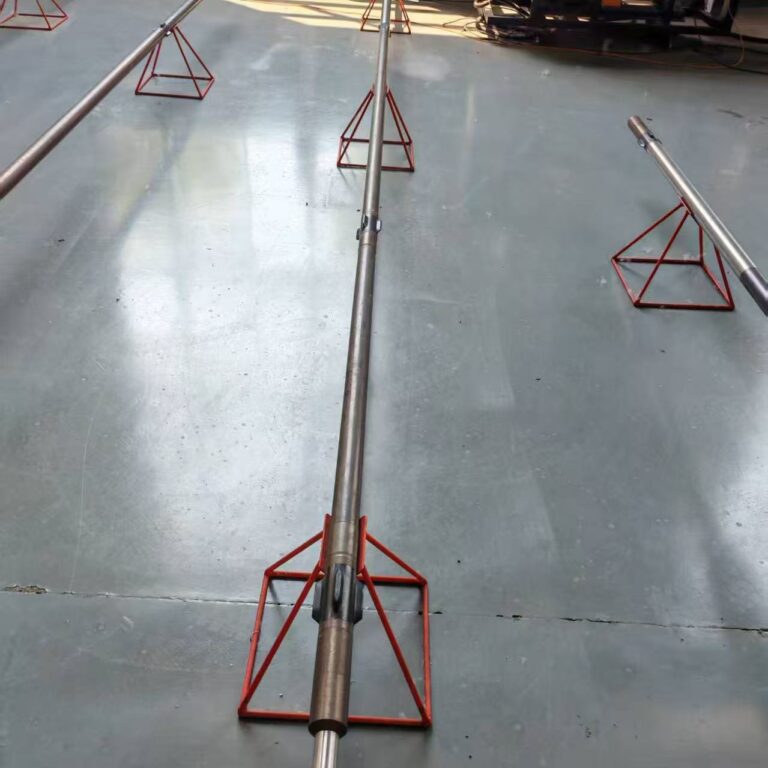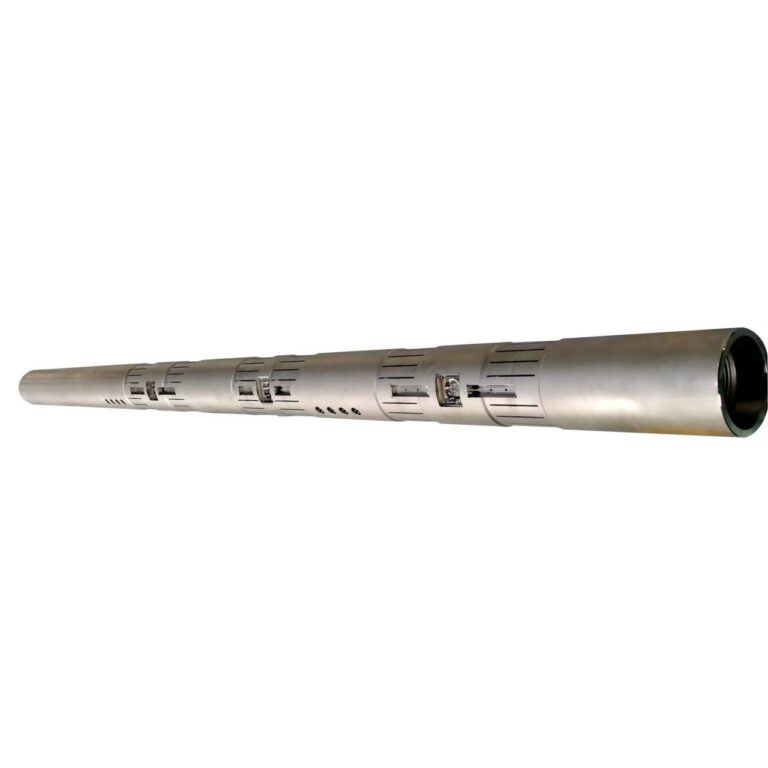



Integrated Intelligent Deviator: Autonomous Trajectory Control in Complex Laterals
As unconventional reservoir targets become increasingly narrow and geologically complex, conventional manual steering methods struggle to maintain the tight positional tolerances required for optimal well performance. Navigating multi-thousand-foot horizontal laterals demands automated, real-time directional correction capabilities directly at the bit. The Integrated Intelligent Deviator represents a major leap forward in automated well construction, combining high-speed downhole sensor analytics with mechanical deflection modules to execute precise, closed-loop trajectory control without surface intervention delay.
1. The Advanced Engineering Architecture of Intelligent Deviation
Traditional push-the-bit and point-the-bit rotary steerable systems rely heavily on continuous directional commands sent from surface operators or pre-programmed geometric templates. The Integrated Intelligent Deviator elevates this architecture by housing smart decision-making mechanics directly within the bottom-hole assembly (BHA).
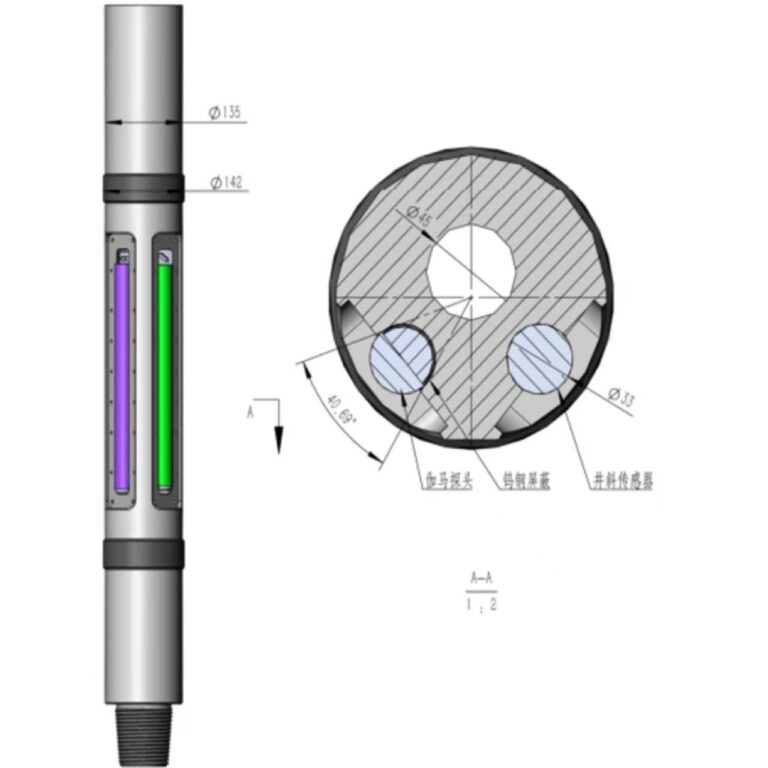
- Downhole Edge-Computing Integration: The tool incorporates high-temperature microprocessors capable of processing azimuthal gamma, resistivity, and multi-axis inclination data streams in real time.
- Hydromechanical Actuation Modules: Utilizing high-frequency hydraulic valves and internal eccentric sleeves, the deviator exerts precise, localized side-forces against the borehole wall to shift the bit vector smoothly.
- Closed-Loop Feedback Loop: The system continuously compares actual borehole coordinates against target 3D geological boundaries, self-correcting trajectory deviations within milliseconds of detection.
2. Key Operational Advantages and Performance Metrics
- Elimination of Reaction Latency: Removes the time delay associated with surface interpretation and mud-pulse command transmission, keeping the wellbore dead-center in the pay zone.
- Minimized Micro-Tortuosity: Replaces aggressive, erratic manual sliding intervals with smooth, continuous micro-steering adjustments, drastically reducing dogleg severity spikes.
- Maximized Reservoir Contact (MRC): Ensures extended laterals track undulating formation structures flawlessly, boosting estimated ultimate recovery (EUR) per well.
3. Engineering for Harsh Downhole Environments
- Tungsten-Carbide Wear Armor: External deflection pads and contact ribs feature advanced metallurgical coatings to resist severe abrasive wear and frictional heat during high-RPM rotary drilling.
- Thermal-Shielded Electronics: Internal control nodes and sensor packages are housed within heavy-duty, nitrogen-charged thermal flasks, ensuring reliable operation in high-enthalpy wells exceeding 150°C ($300^\circ\text{F}$).
4. Conclusion
Autonomous well placement is no longer a futuristic concept—it is an operational necessity. By integrating intelligent sensing directly with automated mechanical deviation, the Integrated Intelligent Deviator transforms the BHA into an active, self-steering instrument, ensuring absolute wellbore precision from kick-off to total depth.