


Filtration, Stabilization, and Calibration: Key Factors for Extending Downhole Tool Life
Filtration, Stabilization, and Calibration: Key Factors for Extending Downhole Tool Life
Downhole drilling tools operate in one of the most extreme industrial environments on earth. High temperatures, strong vibration, abrasive drilling fluids, and extreme pressure conditions can significantly impact the reliability of sensitive equipment such as MWD and LWD tools.
Without proper protection, these conditions may lead to premature tool failure, inaccurate measurements, and costly non-productive time (NPT).
To ensure reliable drilling operations, modern drilling systems rely on three key protection strategies:
• Effective filtration
• Proper mechanical stabilization
• Accurate tool calibration
Together, these elements help maximize the lifespan and performance of downhole tools.
Filtration: Protecting Sensitive Downhole Components
Drilling fluid circulating through the drill string often contains rock cuttings, metal debris, and solid particles. If these contaminants enter sensitive downhole equipment, they can damage critical components such as:
• Pulse generators
• Pressure sensors
• Flow control valves
• Electronic modules
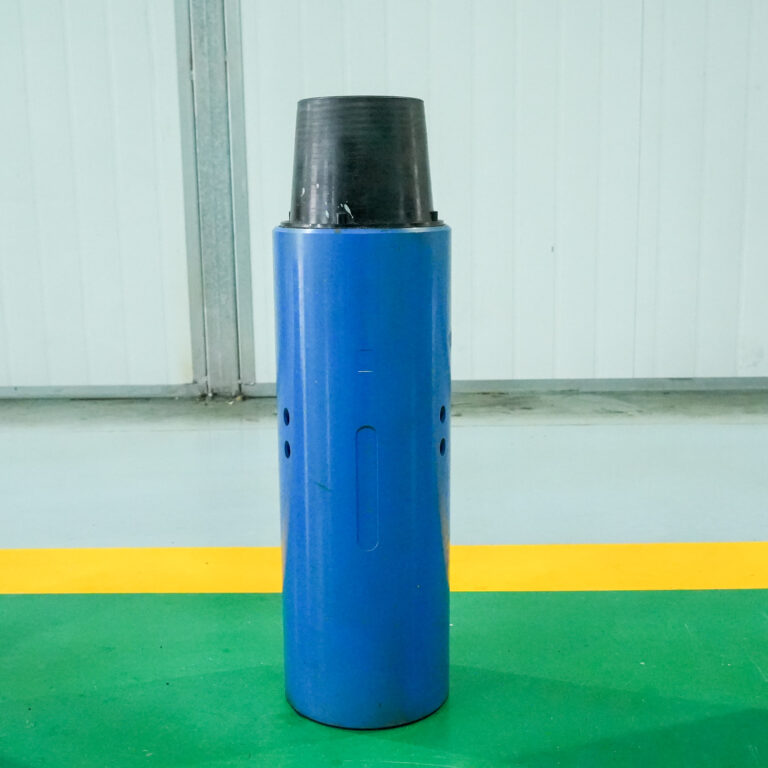
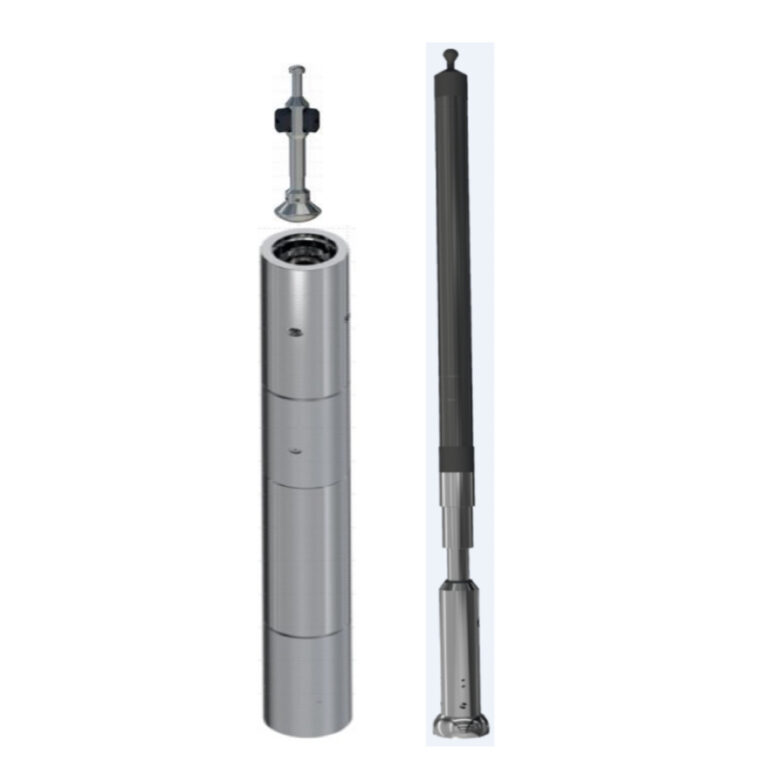
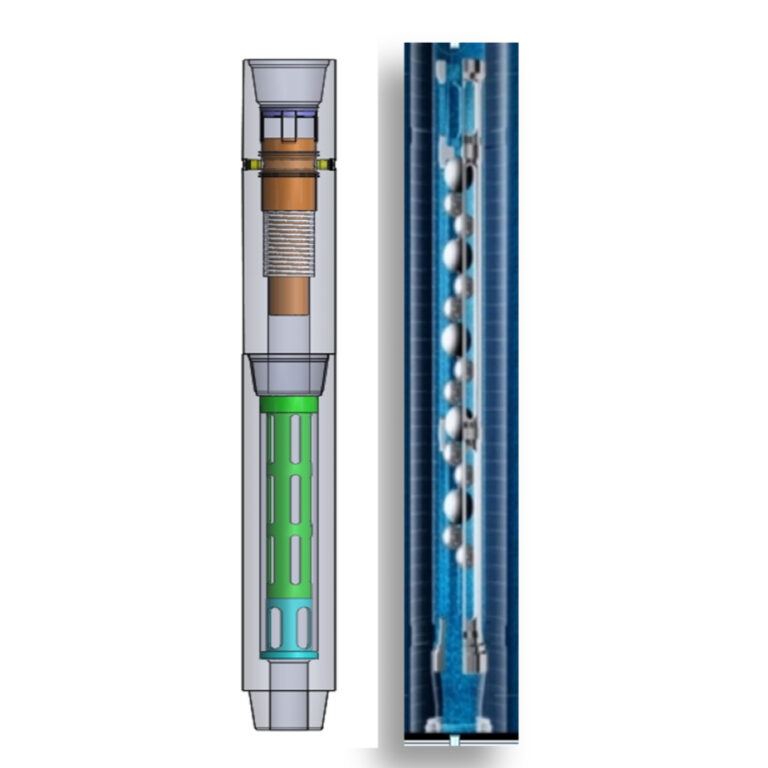
To prevent this, filtration tools such as Filter Subs or Drill Pipe Filters are commonly installed in the drill string.
These tools remove debris from the drilling fluid before it reaches sensitive equipment, helping to:
✔ Protect telemetry systems
✔ Maintain stable signal transmission
✔ Reduce mechanical wear
Proper filtration significantly improves overall tool reliability and service life.
Stabilization: Reducing Vibration and Mechanical Stress
Downhole tools are constantly subjected to torsional vibration, lateral vibration, and impact loads generated during drilling.
These dynamic forces can lead to:
• Sensor damage
• Measurement errors
• Premature tool failure
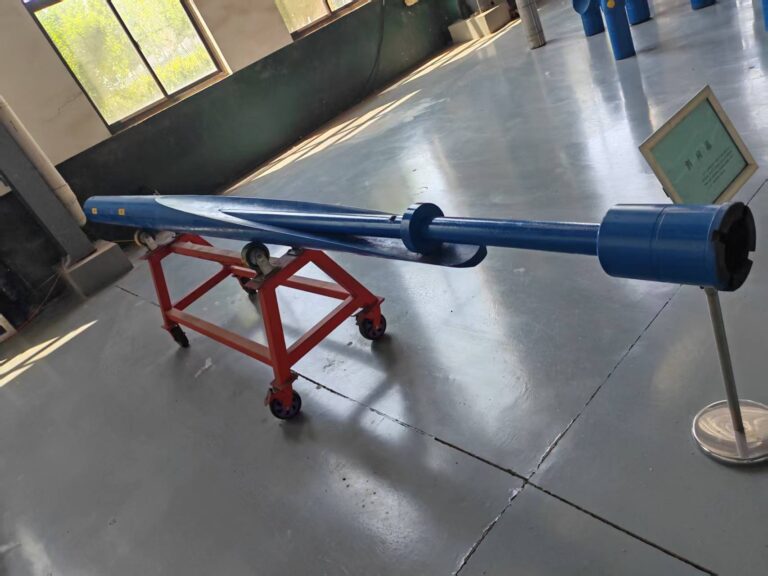
Drilling stabilizers, especially adjustable stabilizers, play an essential role in maintaining proper BHA alignment and minimizing vibration.
By controlling tool positioning within the wellbore, stabilizers help:
✔ Reduce vibration levels
✔ Improve directional control
✔ Protect sensitive downhole equipment
Effective stabilization not only improves drilling efficiency but also extends tool lifespan.
Calibration: Ensuring Measurement Accuracy
Even the most advanced measurement tools require precise calibration to maintain accuracy.
MWD systems must continuously provide reliable measurements for:
• Inclination
• Azimuth
• Toolface orientation
Modern drilling operations use intelligent calibration platforms to verify and adjust measurement accuracy before tools are deployed downhole.
Proper calibration ensures that the data transmitted to the surface remains:
✔ Accurate
✔ Consistent
✔ Reliable throughout drilling operations
Without regular calibration, even small measurement errors can result in significant wellbore trajectory deviations.
Integrated Protection for Downhole Tools
The most effective way to protect drilling tools is through an integrated protection strategy that combines filtration, stabilization, and calibration.
When these systems work together, drilling operations benefit from:
✔ Improved measurement reliability
✔ Reduced tool failure rates
✔ Lower maintenance costs
✔ Longer operational lifespan for downhole tools
This integrated approach is particularly important for MWD systems operating in deep, high-temperature, and complex wells.
Conclusion
As drilling operations become increasingly complex, protecting downhole tools has become more critical than ever.
By combining advanced filtration systems, effective mechanical stabilization, and accurate calibration procedures, drilling companies can significantly extend the lifespan of their equipment and improve overall drilling efficiency.
A well-designed protection strategy ensures that downhole tools continue delivering reliable data and consistent performance throughout the entire drilling operation.