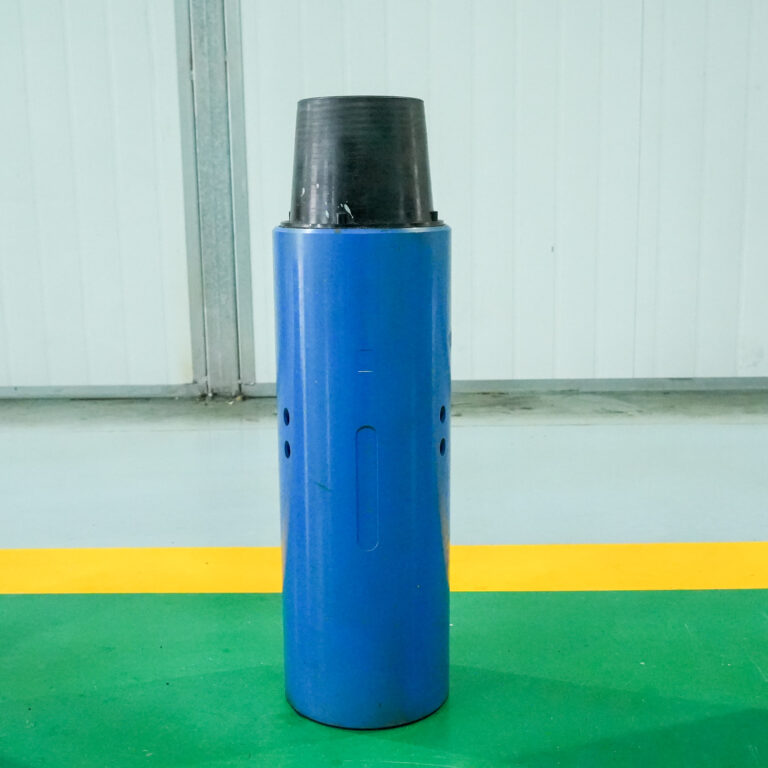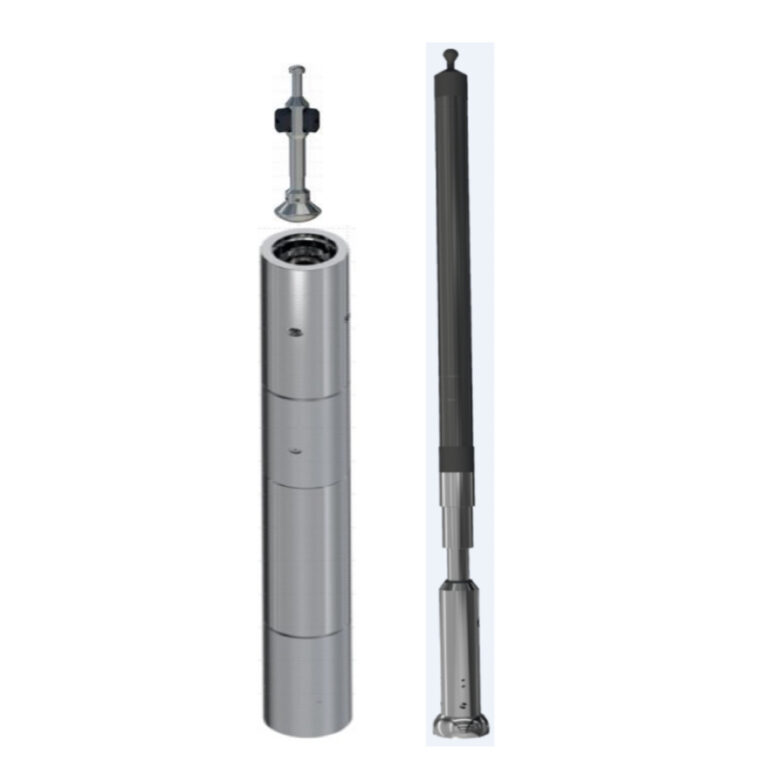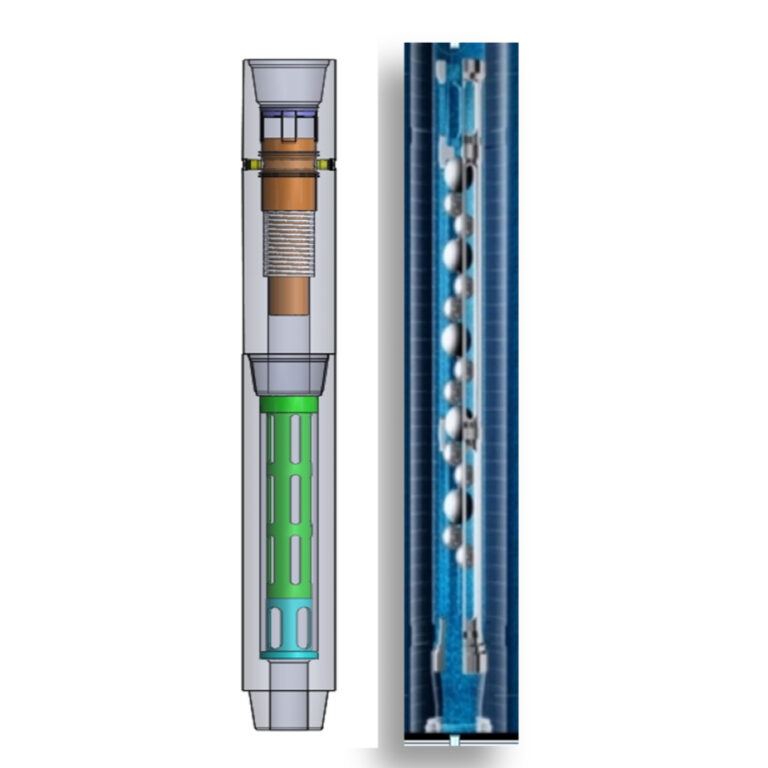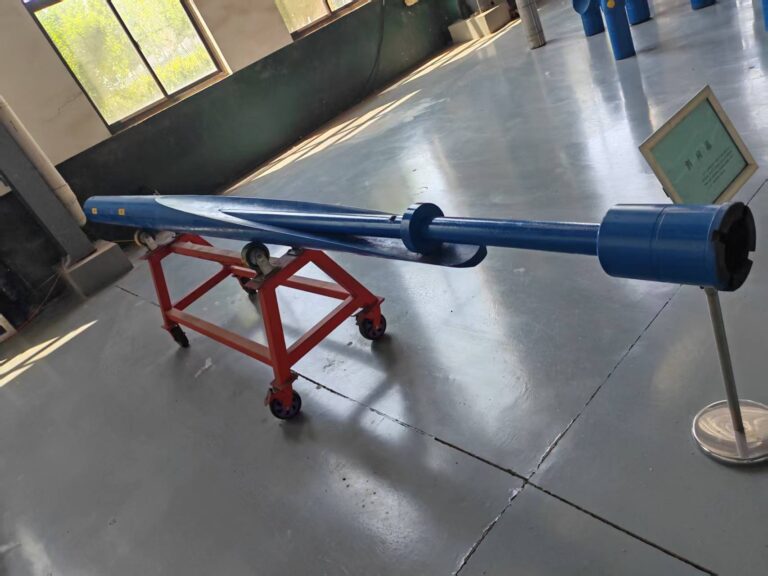



Drilling Resistivity Measurement Device – Real-Time Formation Evaluation While Drilling
Product Technical Introduction
The Drilling Resistivity Measurement Device is a downhole formation evaluation tool designed to measure formation resistivity in real time during drilling operations. As a key component of logging-while-drilling (LWD) or MWD/LWD systems, it provides essential data for identifying formation characteristics and optimizing drilling decisions.
By continuously monitoring resistivity changes around the wellbore, the device helps operators distinguish between hydrocarbon-bearing and water-bearing formations, supporting accurate geosteering and reservoir evaluation.
Measurement Principle & Resistivity Detection
The tool operates by transmitting an electrical current or electromagnetic signal into the surrounding formation and measuring the resulting response. Variations in resistivity are analyzed to determine formation properties.
Key technical functions include:
- Real-time resistivity measurement while drilling
- Detection of formation fluid content changes
- Identification of hydrocarbon-bearing zones
- Support for directional control and geosteering
The resistivity data is transmitted to the surface through MWD/LWD telemetry systems, enabling timely drilling adjustments.
Design Features & Measurement Accuracy
The drilling resistivity measurement device is engineered for high accuracy and stability under demanding downhole conditions.
Design highlights:
- Optimized antenna or electrode configuration
- High-resolution signal acquisition
- Effective shielding against noise and interference
- Stable performance under vibration, shock, and high temperature
The compact design allows seamless integration into modern LWD tool strings without compromising drilling efficiency.
Materials & Downhole Reliability
Manufactured from high-strength alloy and non-magnetic materials, the tool body ensures:
- High pressure and temperature resistance
- Mechanical integrity during long drilling runs
- Compatibility with other MWD/LWD components
- Long service life in harsh downhole environments
Strict quality control ensures consistent measurement performance and tool reliability.
Operational Advantages
- Real-time formation resistivity data
- Improved reservoir identification
- Enhanced geosteering accuracy
- Reduced drilling risk and uncertainty
- Suitable for complex well profiles
Typical Applications
- Logging while drilling (LWD) operations
- Directional and horizontal drilling
- Reservoir evaluation and well placement
- Geosteering and formation navigation
- Real-time drilling optimization