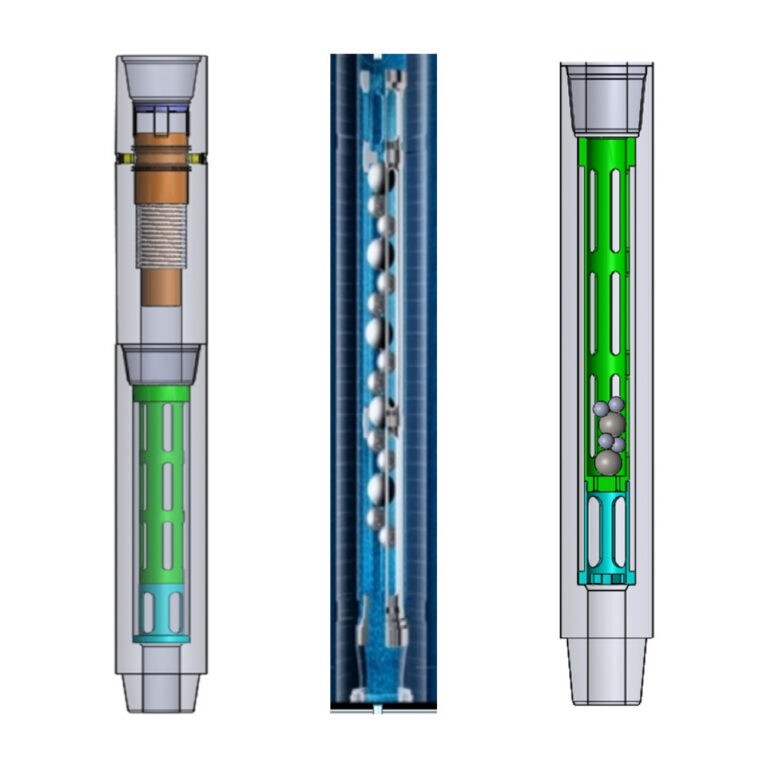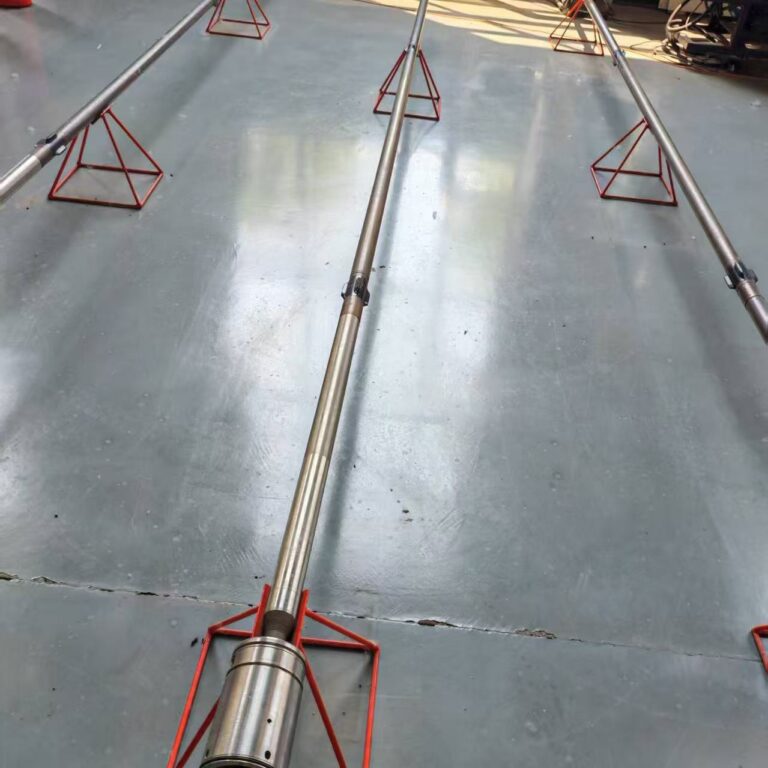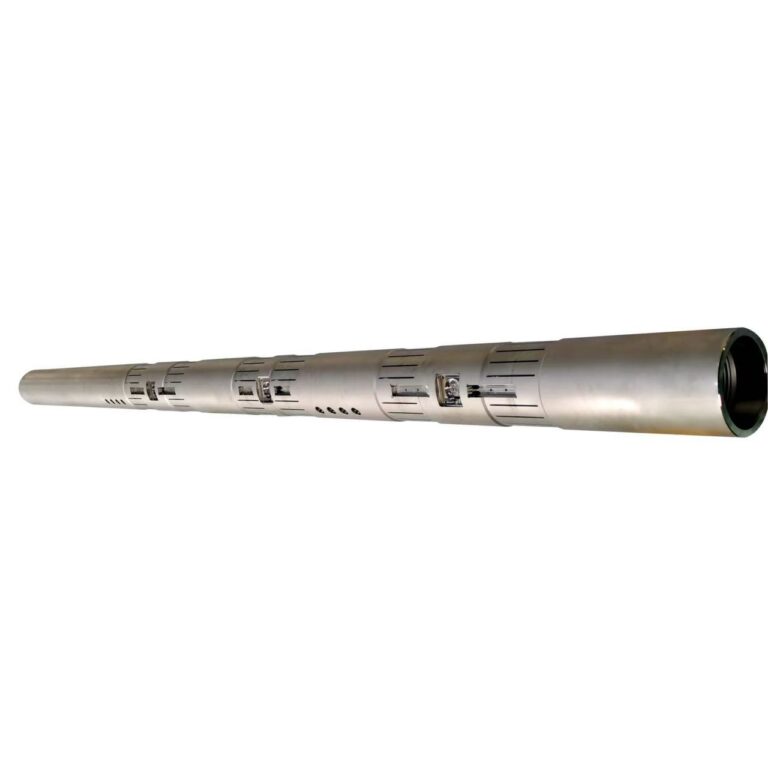



FDF Bypass Valve: Bit Nozzle Unblocking and Hydraulic Optimization to Eliminate Bit-Balling Delays
Drilling through reactive shales, gumbo clays, and interbedded formations often brings a silent productivity killer: bit-balling and choked bit nozzles. When sticky cuttings pack around the bit face or debris restricts nozzle flow, standpipe pressure climbs, rate of penetration (ROP) drops sharply, and crews face frustrating hydraulic bottlenecks that can lead to tight hole or trips out of the hole. Deploying an FDF Bypass Valve in the bottom-hole assembly (BHA) gives drilling teams a practical way to manage downhole flow paths, clear nozzle restrictions, and optimize hydraulic performance without sacrificing wellbore control.
1. Tackling Bit-Balling and Nozzle Choking in Sticky Intervals
In formations prone to clay hydration and cuttings adhesion, hydraulic discipline is critical to keeping the bit clean and maintaining forward progress:
- Clearing Partially Plugged Nozzles and Flow Ports: When scale, rubber fragments, or gumbo clumps restrict flow at the bit or lower BHA, controlled bypass actuation helps relieve excessive standpipe pressure spikes and flush stubborn debris without forcing an immediate trip.
- Balancing Annular Velocity and Bit Hydraulics: By adjusting where drilling fluid exits relative to the BHA, operators can balance cuttings transport in the annulus against pressure limits on downhole motors, MWD tools, and surface pumps.
- Reducing Wiper-Trip and Pull-Out Delays: Catching hydraulic restrictions early and restoring clean flow keeps the crew from pulling a full string just to inspect or clean a balled bit.
2. Field Workflow for Hydraulic Optimization
To get measurable efficiency gains from an FDF bypass valve during a run, engineers and drillers benefit from a structured routine:
- Step 1 — Establish Baseline Hydraulics Before Entering Reactive Zones: Record normal standpipe pressure, pump stroke rates, and ROP in clean intervals so small pressure increases or ROP drops stand out right away.
- Step 2 — Spot Early Signs of Bit-Balling or Nozzle Restriction: Watch for rising pump pressure at constant flow rate, erratic torque, or slower penetration rates in shale and gumbo sections.
- Step 3 — Actuate Bypass and Flush Flow Paths: Engage the bypass valve per operating procedure to redirect flow and dislodge restrictions, monitoring pressure gauges and shaker returns closely.
- Step 4 — Return to Normal Drilling and Track ROP Recovery: Reset the valve as required and verify that standpipe pressure stabilizes and ROP rebounds before pushing ahead.
3. Cost and NPT Impact for Drilling Operations
Every hour spent fighting high standpipe pressure, slow ROP, or unscheduled trips adds directly to well cost. Pairing disciplined hydraulic monitoring with a rugged FDF Bypass Valve helps protect downhole equipment from overpressure fatigue, shortens trouble time in sticky intervals, and keeps daily footage moving toward target depth.
4. Conclusion
Bit-balling and nozzle restrictions can quickly stall an otherwise smooth drilling section. By integrating an FDF Bypass Valve into your hydraulic and BHA plan, crews gain a dependable tool to clear flow restrictions, optimize downhole hydraulics, and cut costly drilling delays.