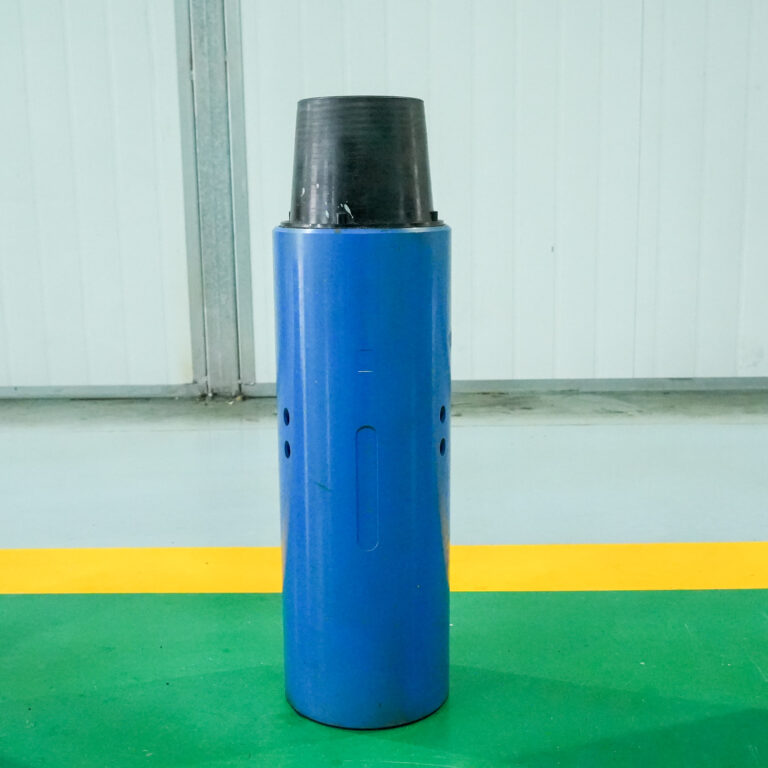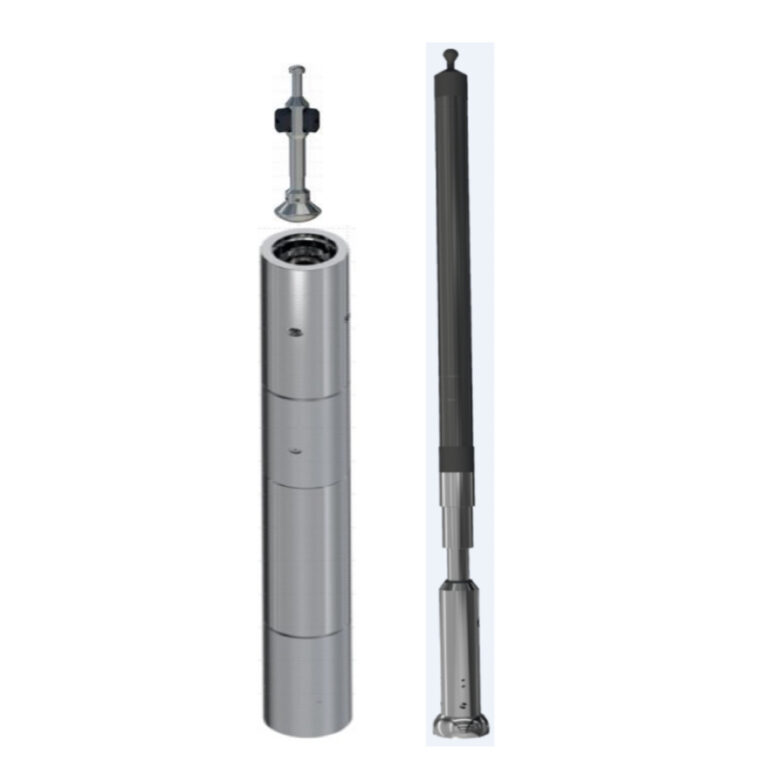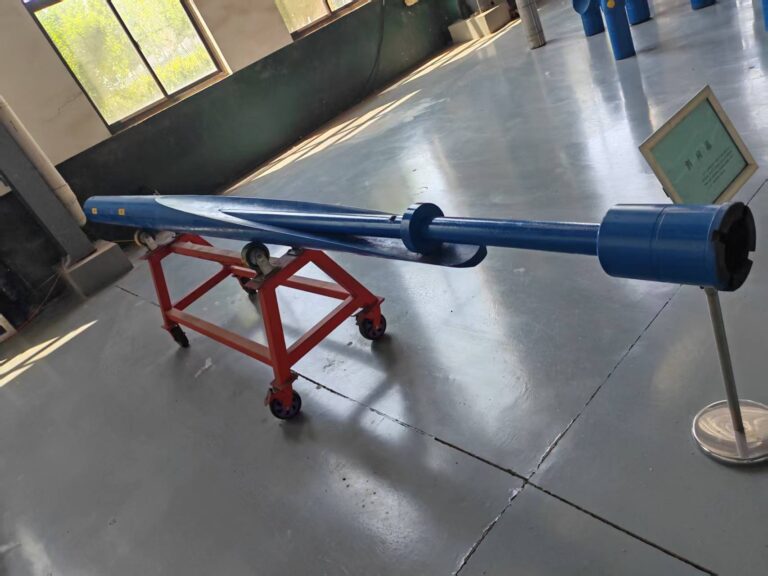



Hydraulic Thruster – Efficient Downhole Tool for Controlled Bit Weight and Faster Drilling
Product Technical Introduction
The Hydraulic Thruster, also known as a Hydraulic Booster, is a downhole energy conversion tool used in petroleum drilling operations to optimize weight-on-bit (WOB) and improve drilling efficiency. It fundamentally changes the traditional drilling pressure application method, which relies primarily on the dead weight of drill collars.
By converting hydraulic energy from drilling fluid circulation into controlled axial force on the drill bit, the hydraulic thruster enables more precise, flexible, and efficient drilling performance, particularly in challenging formations and complex well profiles.
Working Principle & Energy Conversion Mechanism
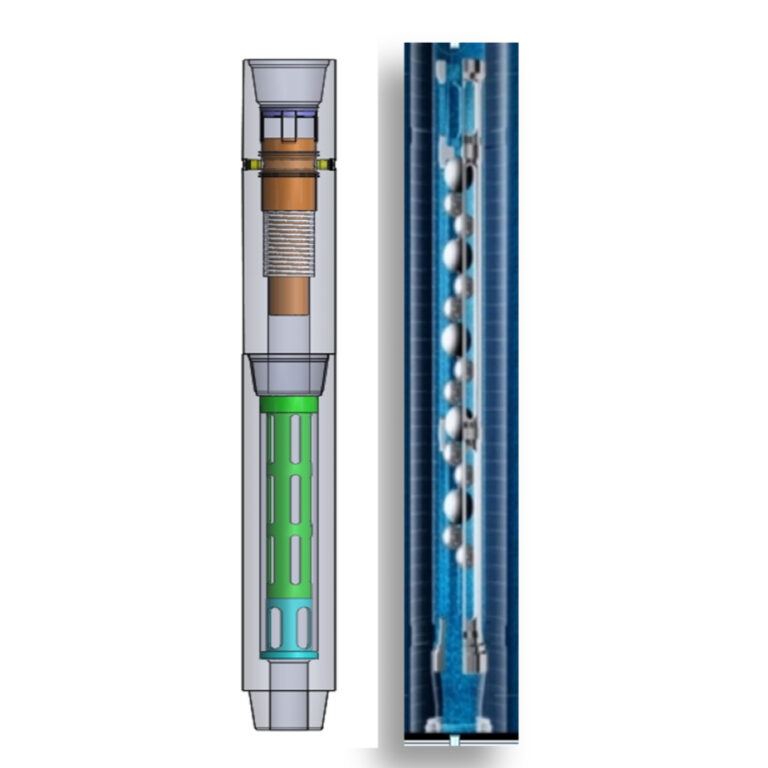
The hydraulic thruster operates based on the pressure differential of drilling fluid across an internal piston. When the circulation pump is activated, drilling fluid creates a pressure difference between the upper and lower chambers of the piston.
This pressure differential, combined with the pressure acting on the drill bit, is converted into controlled axial thrust (WOB) directly applied to the bit. As a result, hydraulic energy is efficiently transformed into mechanical force, allowing drilling pressure to be applied independently of drill collar weight.
This mechanism enables:
- Stable and controllable bit pressure
- Reduced reliance on rigid drill collar pressurization
- Improved adaptability to varying formation conditions
Flexible Connection & Drilling State Optimization
Unlike traditional rigid pressurization methods, the hydraulic thruster allows the drill bit or lower BHA components to be flexibly connected to the rest of the drill string. This flexibility helps overcome the limitations of rigid load transfer and significantly improves drilling dynamics.
By optimizing the drilling state of the bit, the hydraulic thruster effectively:
- Reduces drill bit bouncing and vibration
- Prevents drill string jumping
- Improves bit-rock interaction
- Maintains stable drilling conditions
Performance Advantages & Operational Benefits
The hydraulic thruster plays multiple functional roles during drilling operations, including:
- Shock absorption and vibration reduction
- Automatic and continuous application of drilling pressure
- Improved and stabilized weight-on-bit
- Increased rate of penetration (ROP)
- Enhanced drilling efficiency and bit life
These advantages contribute to higher drilling speed, improved wellbore quality, and reduced overall drilling cost.
Tool Characteristics & Reliability
Designed as a low-cost, easy-to-operate, and high-efficiency drilling acceleration tool, the hydraulic thruster is suitable for a wide range of drilling applications. Its robust structure ensures reliable performance under high-pressure fluid circulation and demanding downhole environments.
Typical Applications
- Oil and gas drilling operations
- Directional and horizontal wells
- Hard or variable formations
- Drilling optimization and ROP improvement
- Vibration-sensitive drilling environments