


Common Causes of MWD Signal Loss and How System Design Prevents Them
In directional drilling operations, reliable data transmission from downhole to surface is critical.
When MWD (Measurement While Drilling) signals weaken or disappear, drilling performance, safety, and decision-making are directly affected.
Understanding the root causes of signal loss — and how system design prevents them — is essential for improving operational reliability.
What Happens When MWD Signal Is Lost?
Signal loss may result in:
- Delayed trajectory correction
- Increased non-productive time (NPT)
- Higher operational risk
- Reduced drilling efficiency
- Possible wellbore positioning errors
In complex wells, even short interruptions can significantly impact drilling cost.
Common Causes of MWD Signal Loss
1️⃣ Poor Mud Conditions
Mud pulse telemetry relies on pressure pulse transmission through drilling fluid.
Problems such as:
- Gas-cut mud
- Air entrainment
- High solids content
- Excessive mud weight variation
can distort or weaken pulse signals.
2️⃣ Inadequate Filtration
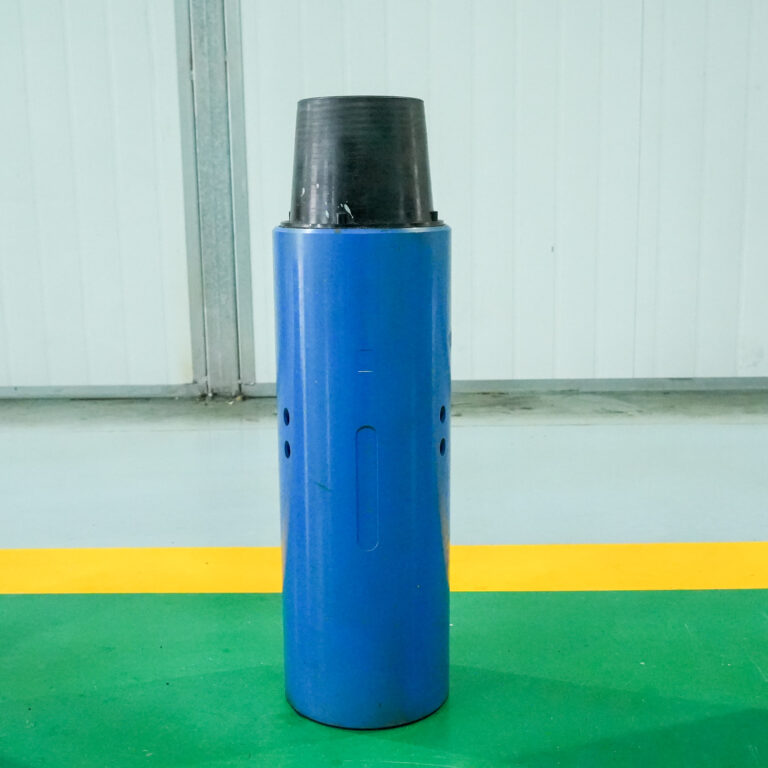
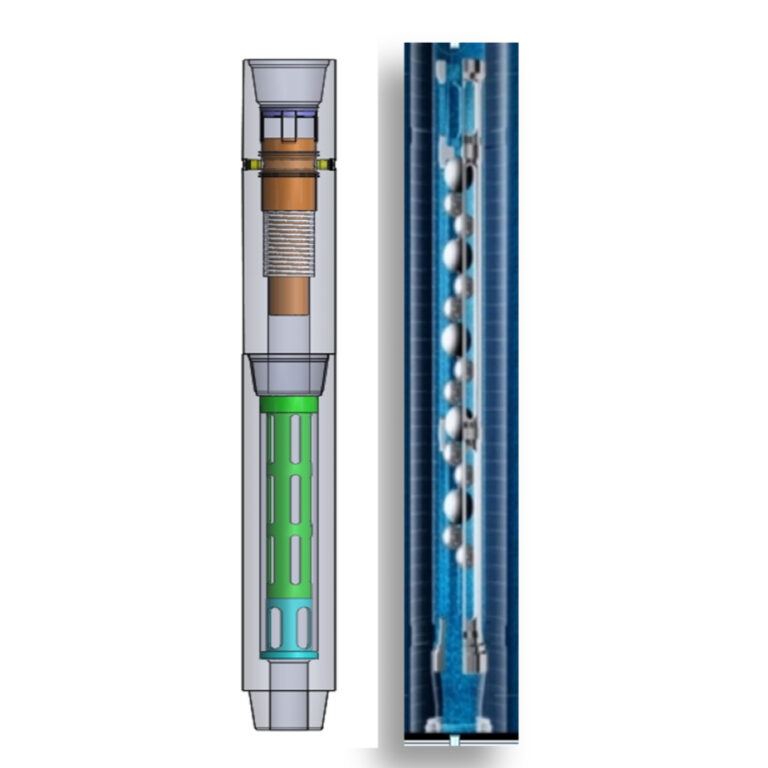
Debris or solids entering the pulser assembly can:
- Damage internal components
- Restrict valve movement
- Reduce pulse strength
- Cause intermittent transmission
Proper filtration is critical to protect sensitive downhole electronics.
3️⃣ Excessive Well Depth
As depth increases:
- Signal attenuation becomes stronger
- Pressure noise increases
- Transmission delay becomes longer
Deep and extended reach wells require optimized telemetry configuration.
4️⃣ Surface Noise Interference
Rig pumps, surface pressure fluctuations, and mechanical vibration may interfere with signal decoding.
Proper surface equipment calibration and noise filtering are necessary.
5️⃣ High Temperature Environment
High downhole temperatures may affect:
- Electronic stability
- Battery performance
- Sensor accuracy
Without proper thermal design and testing, signal reliability decreases significantly.
How Proper System Design Prevents Signal Loss
✅ Optimized Pulse Generator Design
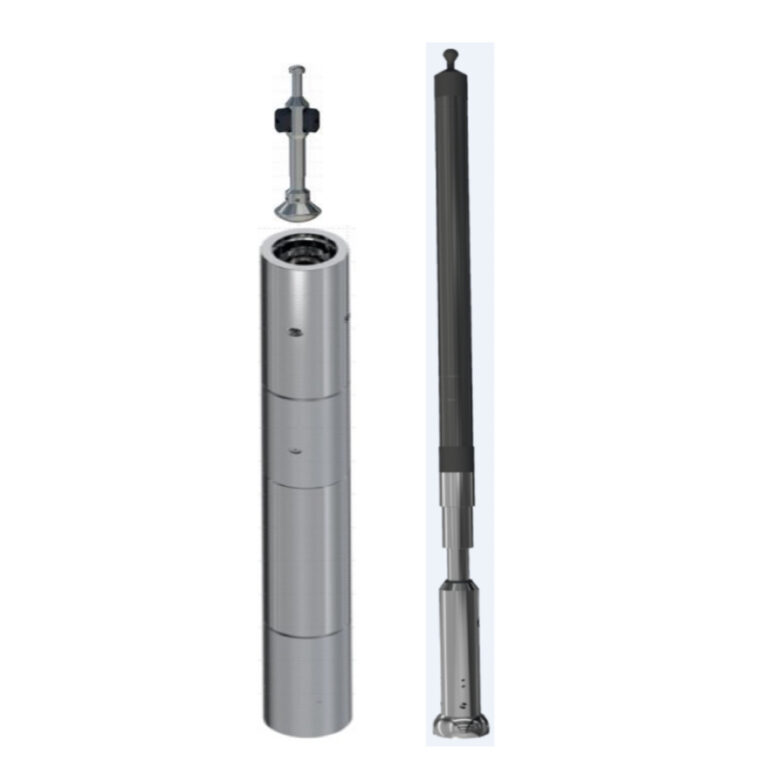
High-efficiency pulser systems improve pressure pulse clarity.
✅ Integrated Filtration System
Filter subs and drill pipe filters prevent debris damage.
✅ Intelligent Calibration Platform
Ensures sensor accuracy before deployment.
✅ High-Temperature Testing
Verifies electronic stability under extreme conditions.
✅ Surface Decoding Optimization
Advanced signal processing reduces noise interference.
Conclusion
MWD signal loss is not random — it is often the result of preventable system weaknesses.
A properly designed and integrated MWD system improves:
- Data stability
- Drilling safety
- Operational efficiency
- Tool lifespan
When selecting directional drilling equipment, system reliability should be a top priority.
Contact us to discuss your project requirements.