


MWD System Design Considerations for Extended Reach Drilling (ERD)
Introduction
As drilling operations move toward Extended Reach Drilling (ERD), system complexity increases significantly.
Compared to conventional wells, ERD wells present:
- Longer horizontal sections
- Higher torque and drag
- Greater signal transmission challenges
👉 In these environments, MWD performance depends on system design—not just individual tools
1. What Makes ERD Wells Challenging?
① Extended Distance
- Signal must travel longer distances
- Increased attenuation risk
② Complex Well Trajectory
- Horizontal and curved sections
- Increased friction and vibration
③ Harsh Downhole Conditions
- High temperature (HPHT)
- High pressure
- Complex formations
👉 These factors make standard MWD configurations insufficient
2. Core Design Objectives
An effective MWD system for ERD should achieve:
✔ Strong and stable signal transmission
✔ High measurement accuracy
✔ Maximum tool reliability
✔ Minimal non-productive time (NPT)
3. Key Design Considerations
① Signal Transmission Capability
Challenge: Signal attenuation over long distances
Solution:
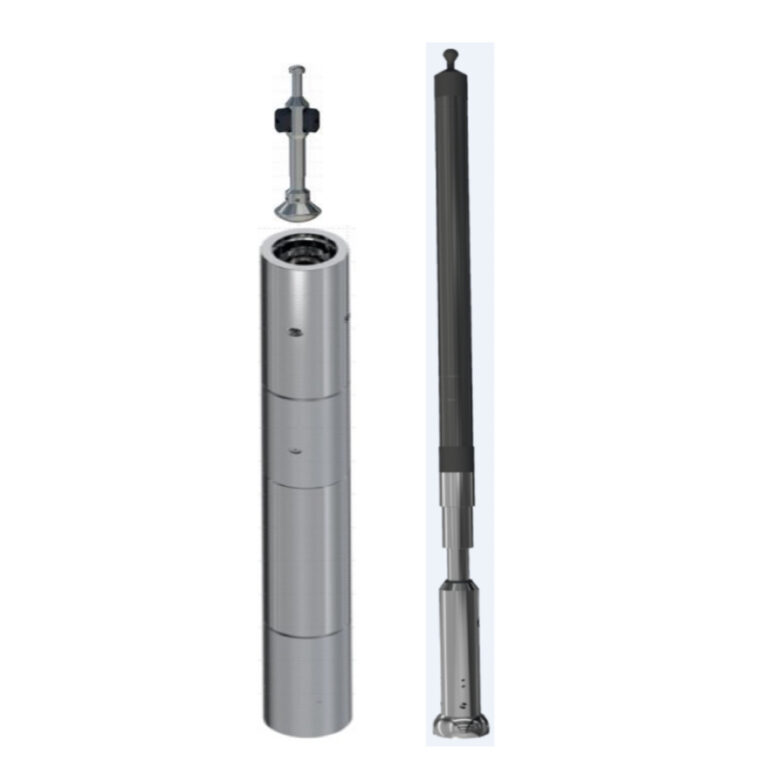
- Use high-performance pulse generators (e.g., 1200 Series)
- Optimize mud properties
- Ensure stable flow conditions
② Filtration System Design
Challenge: Debris accumulation over long drilling intervals
Solution:
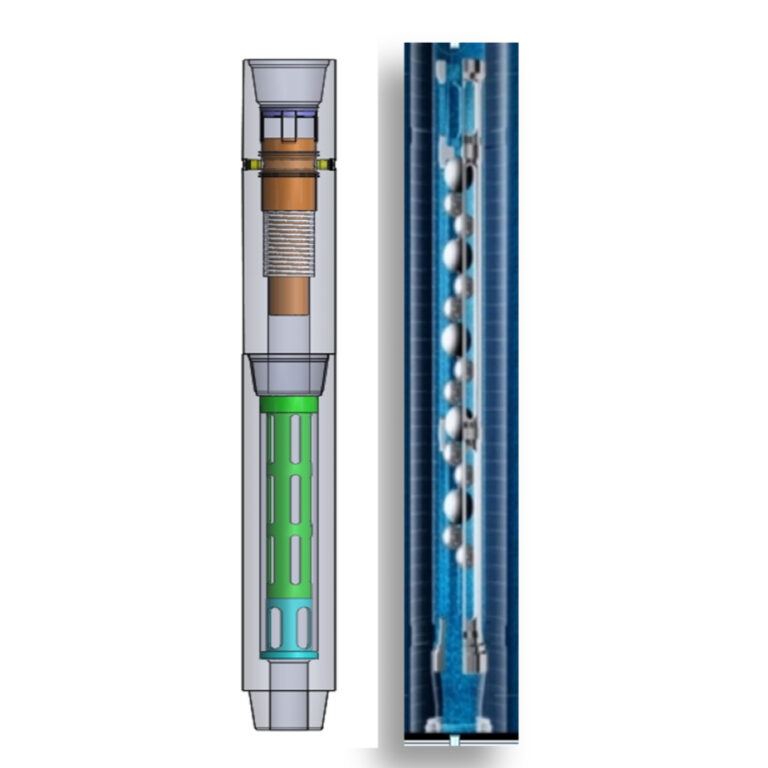
- Dual filtration system:
- Drill Pipe Filter (primary)
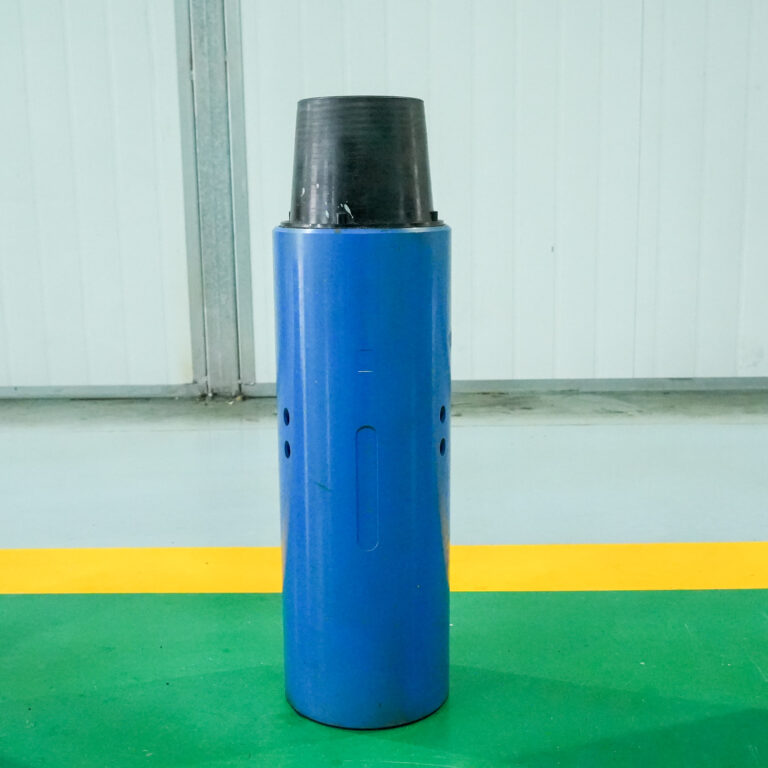
- Filter Sub near MWD (final protection)
👉 Ensures clean fluid for signal transmission
③ Vibration and Torque Control
Challenge: Severe torque and stick-slip in horizontal sections
Solution:
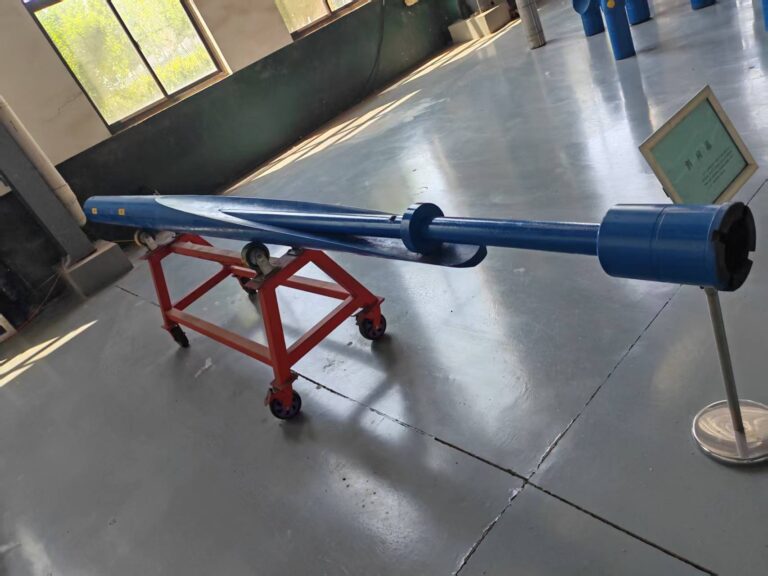
- Use Stabilizers (spiral blade preferred)
- Use Friction & Torsion Reducing Tools (RTRJ)
👉 Improves both tool life and signal stability
④ Tool Reliability Under Extreme Conditions
Challenge: HPHT environments
Solution:
- Perform high-temperature testing (Day 18)
- Use high-spec components
⑤ Calibration and Data Accuracy
Challenge: Long-distance error amplification
Solution:
- Use intelligent calibration platforms (Day 17)
- Ensure pre-run verification
4. System Integration Strategy
In ERD wells, tools must work as a coordinated system:
Optimized BHA Example
- Bit
- Near-bit Stabilizer
- MWD Tool
- Filter Sub
- RTRJ
- String Stabilizers
👉 Each component plays a role in:
- Signal quality
- Mechanical stability
- Tool protection
5. Common Design Mistakes
❌ Using standard MWD setup for ERD wells
❌ Ignoring filtration requirements
❌ Underestimating vibration impact
❌ Selecting pulser based only on cost
❌ Skipping calibration and testing
6. Field Insight
Operators who apply system-level design in ERD wells achieve:
✔ Stable signal transmission over long distances
✔ Reduced tool failure
✔ Improved drilling efficiency
✔ Lower overall operational cost
Conclusion
In ERD drilling, success is not determined by a single tool—it is determined by system design.
To achieve reliable performance:
✔ Strengthen signal transmission
✔ Optimize filtration
✔ Control vibration
✔ Ensure calibration and testing
👉 A well-designed MWD system transforms complexity into control.