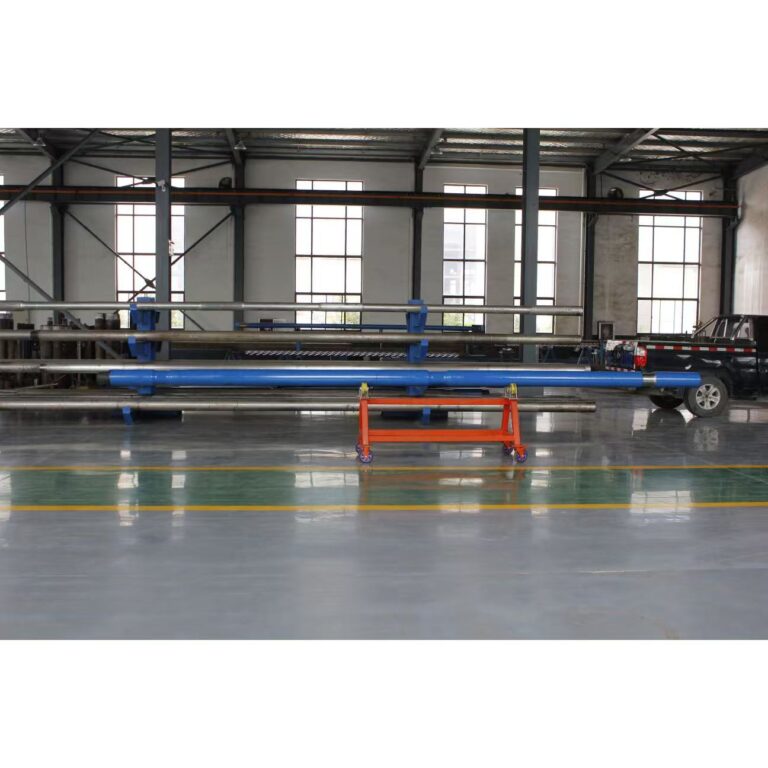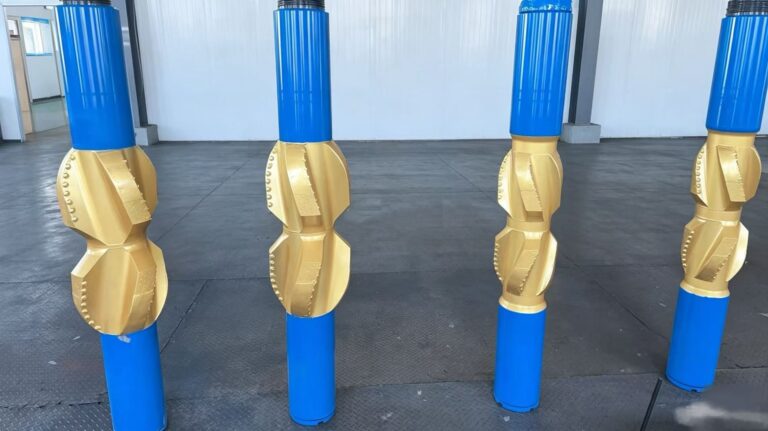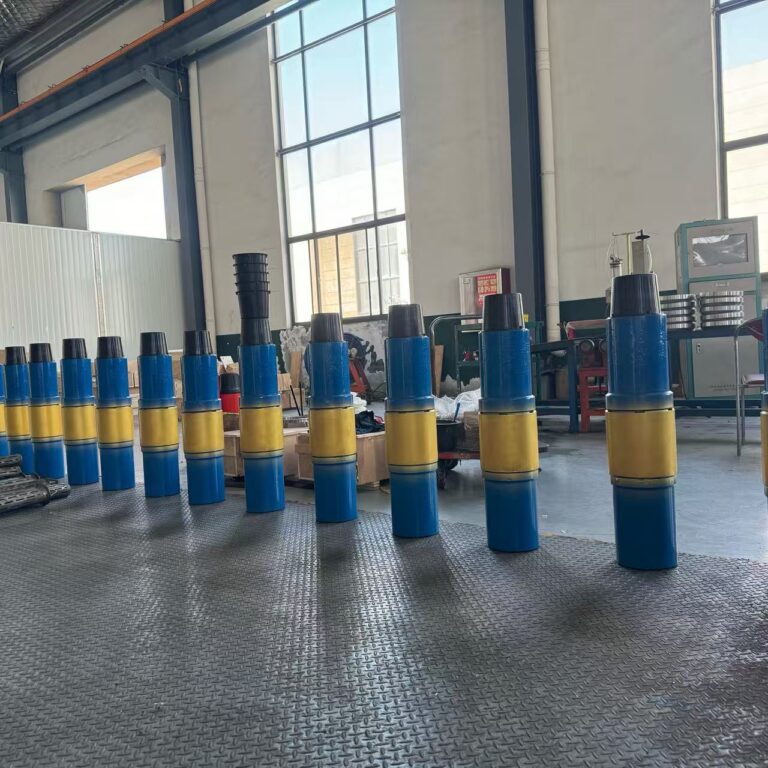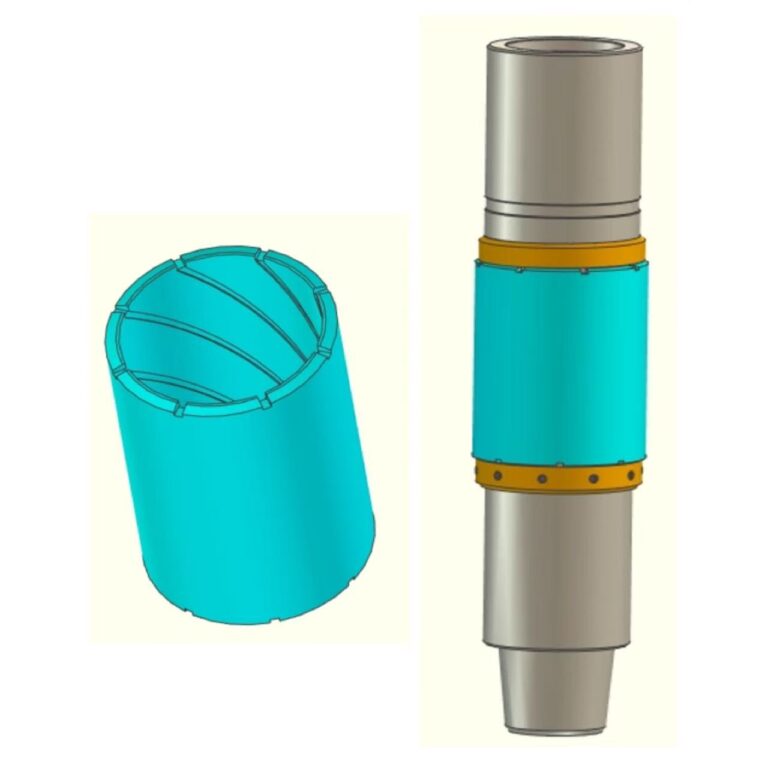



Non-Magnetic Drill Collar: Eliminating Magnetic Interference in MWD Surveying
Accurate directional surveying relies heavily on precise magnetic measurements taken by measurement-while-drilling (MWD) and logging-while-drilling (LWD) tools. However, standard carbon steel drill collars are highly magnetic, creating localized magnetic fields that severely distort compass readings and compromise wellbore placement accuracy. To isolate sensitive survey instruments from surrounding magnetic noise, modern bottom-hole assemblies (BHAs) incorporate the Non-Magnetic Drill Collar (NMDC). Manufactured from specialized austenitic stainless steels or high-strength nickel alloys, this critical BHA component provides absolute magnetic isolation, ensuring flawless directional survey data.
1. The Advanced Engineering Architecture of Magnetic Isolation
Unlike conventional steel drill collars that acquire residual magnetism from manufacturing and downhole stress, non-magnetic drill collars are engineered with strict metallurgical compositions to prevent magnetic flux retention.
- Austenitic Alloy Composition: Forged from high-nickel and high-chromium stainless steel grades (such as premium-grade 21-4-N or modified Mn-Cr alloys), providing a magnetic permeability value very close to air ($\mu \approx 1.0$).
- Cold-Working and Forging Mechanics: Specialized cold-working processes impart high yield and tensile strength to the collar body, allowing it to withstand severe BHA bending moments and high torsional torque.
- Precise BHA Placement Architecture: Positioned directly above and below the MWD directional sensor probe, creating a dedicated magnetic “quiet zone” that shields survey instruments from the ferrous mass of the drill string.
2. Key Operational Advantages and Performance Metrics
- Elimination of Survey Distortion: Prevents ferrous interference from biasing tri-axial magnetometers, ensuring true magnetic north alignment and precise borehole trajectory calculation.
- Enhanced Wellbore Placement Precision: Guarantees reliable azimuth and inclination measurements, reducing target collision risks in crowded offshore fields and tight unconventional spacing.
- Structural Durability Under Extreme Loads: Combines non-magnetic properties with high mechanical strength to endure intense cyclic fatigue, high pressures, and heavy axial loading in deep wells.
3. Engineering for Harsh Downhole Environments
- Corrosion and Hydrogen Embrittlement Resistance: Advanced austenitic metallurgy resists pitting, stress-corrosion cracking, and sulfide attack in aggressive sour-gas or high-salinity drilling fluids.
- Rigorous Non-Destructive Testing (NDT): Subjected to stringent magnetic permeability testing (using fluxgate magnetometers) and ultrasonic inspection to guarantee zero magnetic hot spots before field deployment.
4. Conclusion
Precision directional drilling is impossible without reliable survey data. By providing complete magnetic isolation around sensitive downhole sensors, the Non-Magnetic Drill Collar eliminates interference, securing absolute wellbore positioning accuracy from surface to total depth.