


Elastomeric Resilience: Maximizing Casing Life with Advanced Rubber Casing Protectors
When mitigating metal-on-metal friction inside intermediate or production casing strings, material selection is critical. While alloy and hardfaced tools offer extreme structural rigidity, they can accelerate casing wall abrasion if not properly managed. To counter this, Rubber Wear-Resistant Joints leverage the unique properties of advanced elastomers to provide a sacrificial, low-friction barrier. Engineered by Petrogears, these specialized joints combine elastomeric resilience with robust mechanical retention, ensuring superior casing protection without sacrificing drilling performance.
1. The Mechanics of Elastomeric Casing Protection
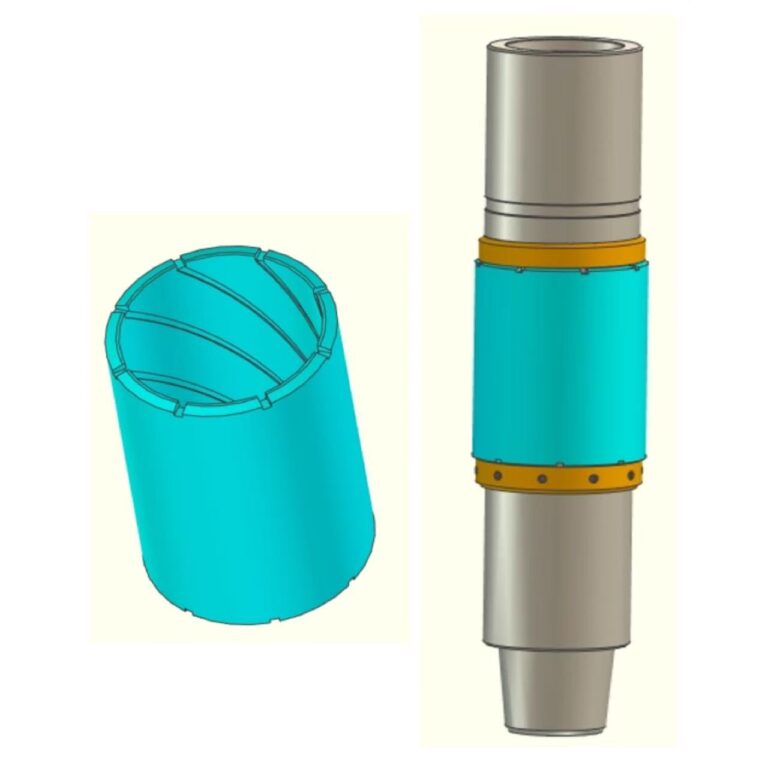
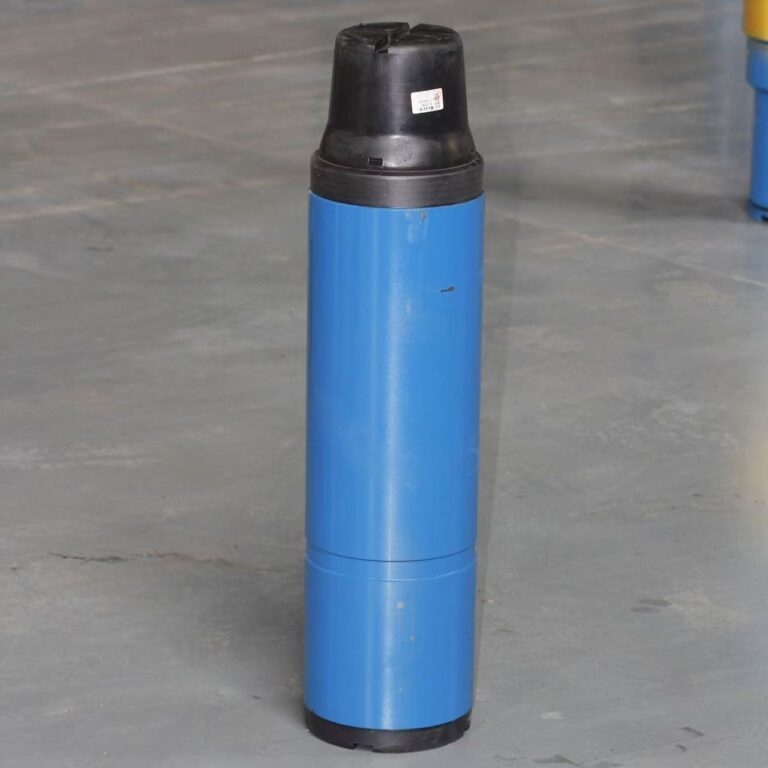
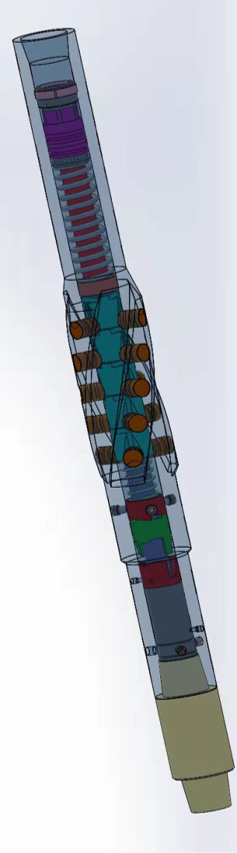
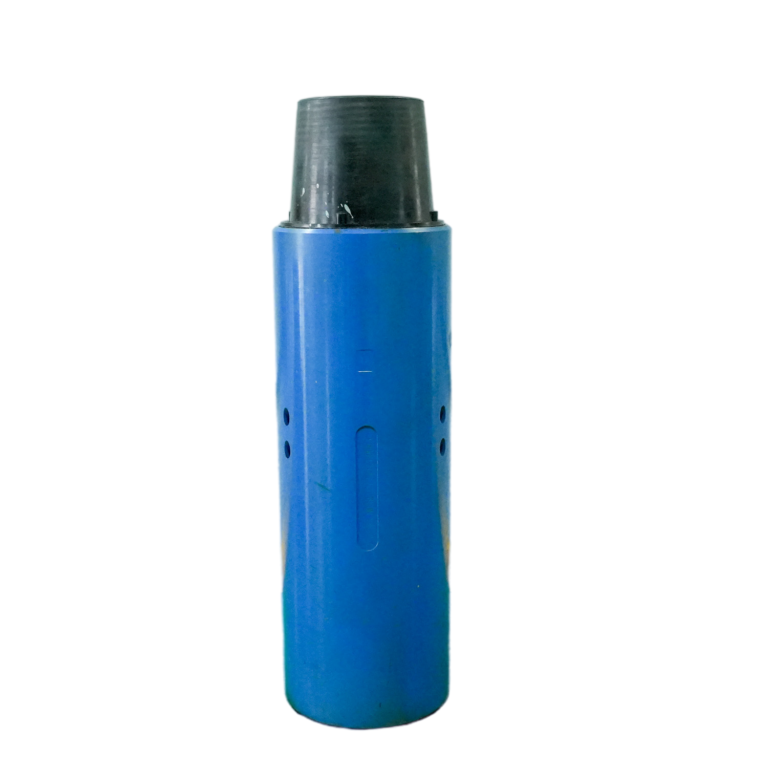
Rubber wear-resistant joints (frequently deployed as slip-on or snap-on drill pipe protectors, or specialized integral rubberized subs) act as the primary contact point between the rotating drill string and the inner casing wall.
- Coefficient of Friction Reduction: High-grade engineered elastomers possess a naturally lower sliding friction coefficient against steel casing than bare steel-on-steel or tungsten carbide hardfacing.
- Vibration and Shock Absorption: Beyond reducing friction, the rubber sleeve acts as a localized dampening cushion, absorbing lateral impact forces and reducing micro-vibrations as the string passes through tight doglegs.
- Sacrificial Wear Design: The elastomer is designed to absorb the brunt of the abrasive scrubbing action, wearing down gradually over time while leaving the expensive steel casing and drill pipe completely untouched.
2. Key Operational Advantages
- Extended Casing Lifespan: Preserves original burst, collapse, and tension ratings of intermediate casing strings in high-angle and extended-reach wells.
- Drastic Torque and Drag Reduction: Lowers rotational torque requirements on top drives and reduces axial pick-up/down weights during tripping.
- Formation and Mud Compatibility: Engineered to resist chemical degradation, swelling, and thermal breakdown when exposed to aggressive synthetic-based or oil-based drilling muds.
3. Engineering for Secure Downhole Retention
- High-Clamping Performance: Petrogears rubber wear-resistant joints utilize heavy-duty locking mechanisms or vulcanized-to-steel bonding designs that prevent slippage, axial migration, or rotation under severe downhole torque.
- Optimized Annular Clearance: Slim-profile engineering ensures that fluid bypass and hole-cleaning efficiency remain uninhibited, preventing pressure pack-offs in tight annular spaces.
4. Conclusion
Elastomeric resilience is a powerful tool in the fight against wellbore friction. By deploying advanced rubber wear-resistant joints, Petrogears provides operators with a reliable, sacrificial shield that protects casing integrity, lowers torque, and extends the operational lifespan of critical wellbore assets.