


Картирование пласта: преимущества использования подводных аппаратов с азимутальной гамма-метрией при геонаведении
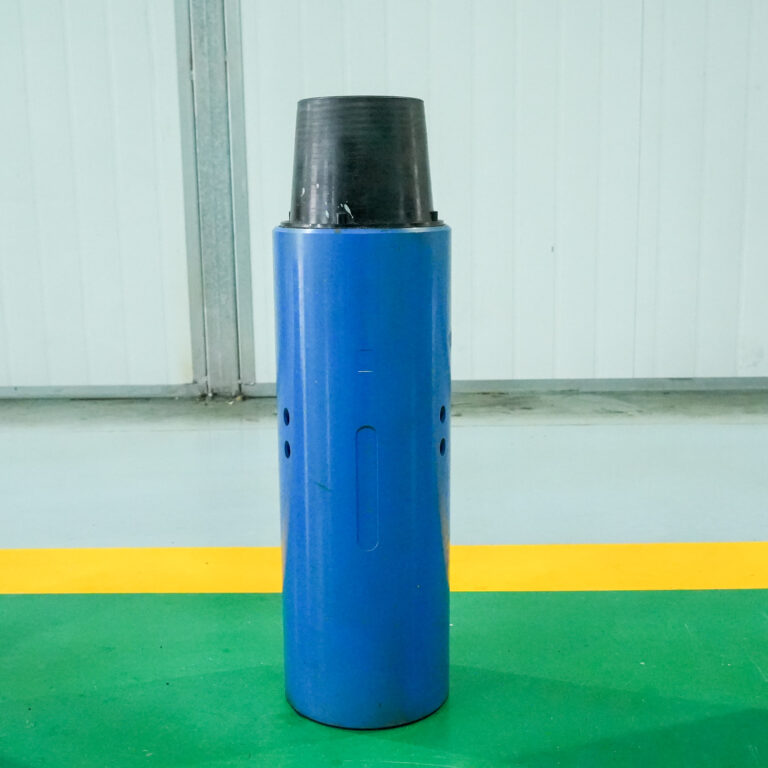
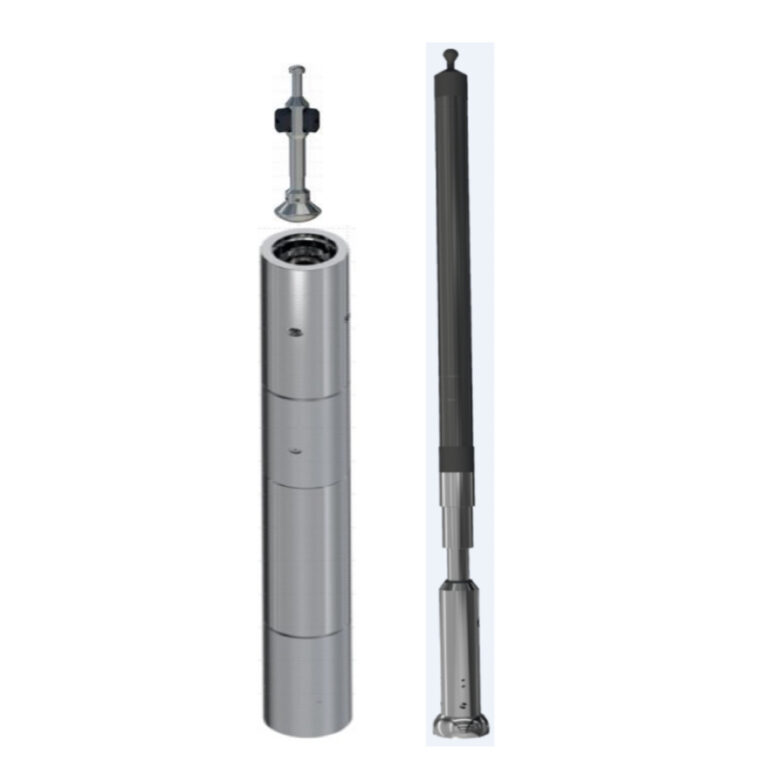
Традиционный гамма-каротаж уже давно является неотъемлемой частью оценки пластов, обеспечивая базовые данные по гамма-излучению, необходимые для различения сланцев и коллекторных пород. Однако обычные приборы дают лишь среднее значение по всем направлениям. И вот появляется Подсистема измерения азимутальной гаммы—революционный инструмент LWD (Logging While Drilling), который делит стволовую скважину на квадранты или секторы по направлению, превращая стандартный гамма-каротаж в систему 3D-визуализации пластов с высоким разрешением.
1. Принцип действия технологии «Azimuthal Gamma»
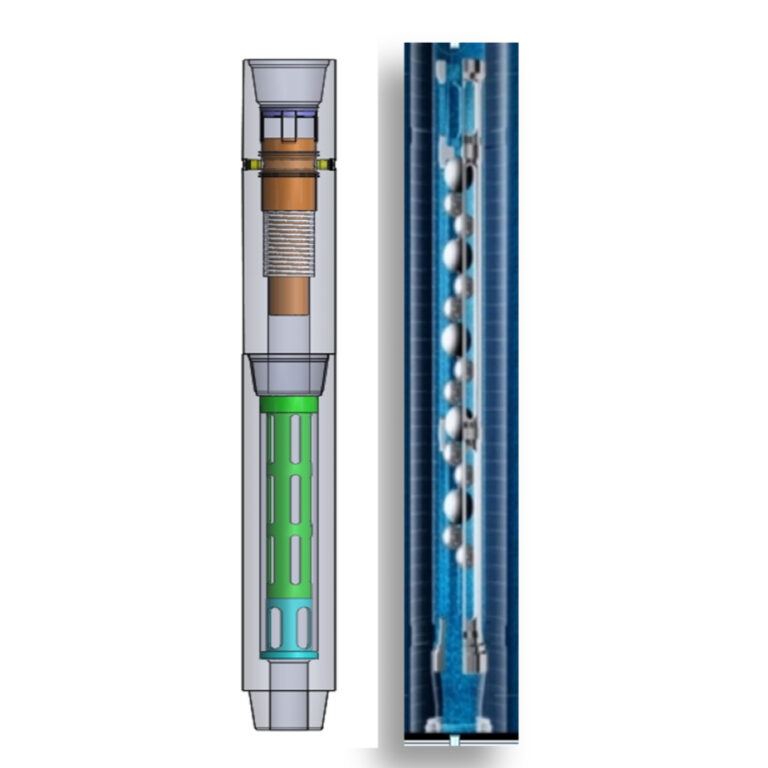
В отличие от традиционных приборов, которые одновременно измеряют естественное гамма-излучение со всех сторон, азимутальные гамма-датчики оснащены специальными экранированными детекторами (как правило, из германата висмута или сцинтилляционных кристаллов) в сочетании с системой ориентации на основе часового механизма или акселерометра.
- Измерение по секторам: По мере вращения буровой колонны прибор производит отбор проб и регистрирует гамма-излучение в определенных азимутальных сегментах (например, в 4 или 8 квадрантах, таких как «вверх», «вниз», «влево» и «вправо»).
- Ориентационное картографирование: Сопоставляя данные гамма-излучения с положением инструмента при вращении, геологи могут определить где геологическая граница расположена относительно траектории скважины.
2. Основные операционные преимущества
- Геонаведение в режиме реального времени: Если во время горизонтального бурения прибор фиксирует снижение значений гамма-счетчиков в “верхнем” квадранте, это свидетельствует о том, что буровой узел выходит из пласта и приближается к сланцевой крышке, что позволяет бурильщику-навигатору немедленно изменить направление бурения вниз.
- Выявление структурных наклонов и разломов: Данные по азимуту помогают выявлять структурные наклоны, трещины и незначительные разломы задолго до того, как они вынудят скважину выйти за пределы целевой зоны.
- Оптимизированный контакт с пластом: Благодаря получению всесторонней информации о литологических границах операторы могут максимально расширить охват продуктивных пластов, что позволяет значительно повысить дебит скважины.
3. Технологии обеспечения точности при работе в скважине
- Интеграция высокоскоростной телеметрии: Поскольку азимутальные приборы генерируют большие объемы данных, их обычно используют в паре с высокоскоростной телеметрией MWD или системами каротажа в режиме памяти для передачи изображений высокого разрешения на поверхность.
- Вибрационная и термическая закалка: Эти датчики, размещенные в прочных немагнитных или специальных стальных втулках, рассчитаны на то, чтобы выдерживать сильные вращательные вибрации, сохраняя при этом целостность кварца.
4. Заключение
Системы измерения азимутальной гаммы коренным образом изменили наше представление о недрах. Благодаря внедрению функции определения направления в процесс оценки пластов они позволяют принимать обоснованные стратегические решения на каждом футе бурения, обеспечивая точное ведение сложных скважин в местах скопления углеводородов.