
为什么提升装置对安全处理钻柱至关重要?

Here is the complete marketing package for Day 23, entering the Foundational Drilling Tools (基础钻具) category: 为什么提升装置对安全处理钻柱至关重要?.


1. Official Website SEO Article (Extended)

【SEO Metadata】

  • SEO Title: Rig Floor Safety: Why Lifting Subs Are Essential for Safe Drill String Handling
  • SEO Keywords: Lifting Sub, Drill String Handling, Rig Floor Safety, BHA Assembly, Drill Collar Handling, Elevator Latch, HSE Compliance, Thread Protection, Foundational Drilling Tools.
  • SEO Description: Learn why Lifting Subs are critical for rig floor safety and operational efficiency. Explore how they provide a secure lifting shoulder for tapered tools and protect precision downhole threads during handling.

【Article Body】

Why Lifting Subs Are Essential for Safe Drill String Handling: The First Line of Defense on the Rig Floor

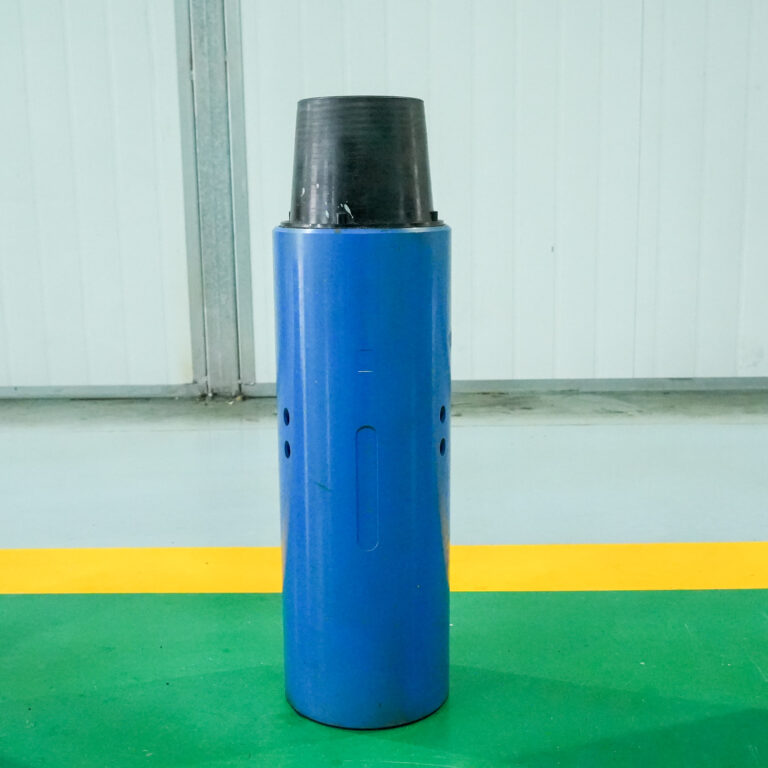
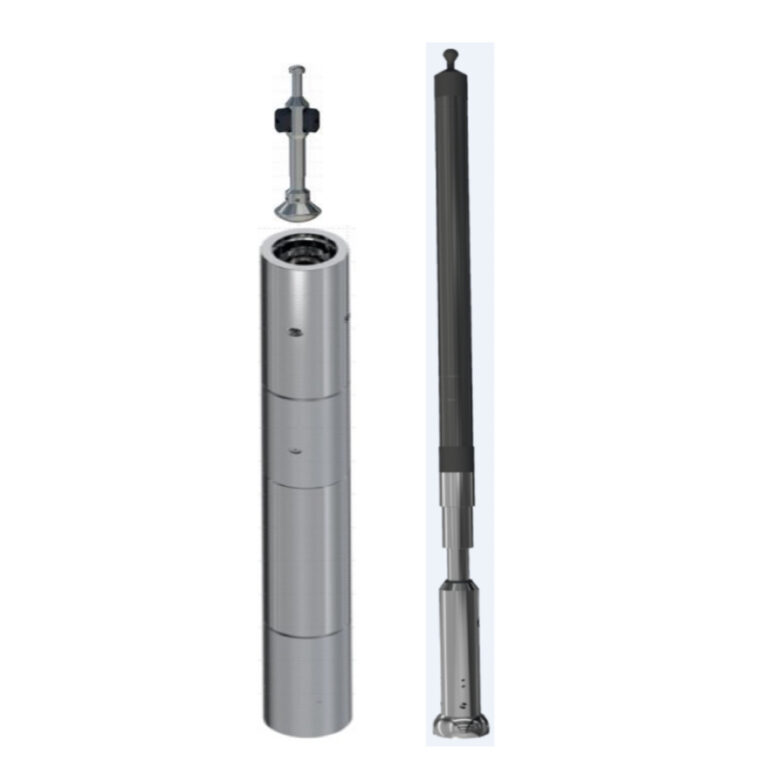
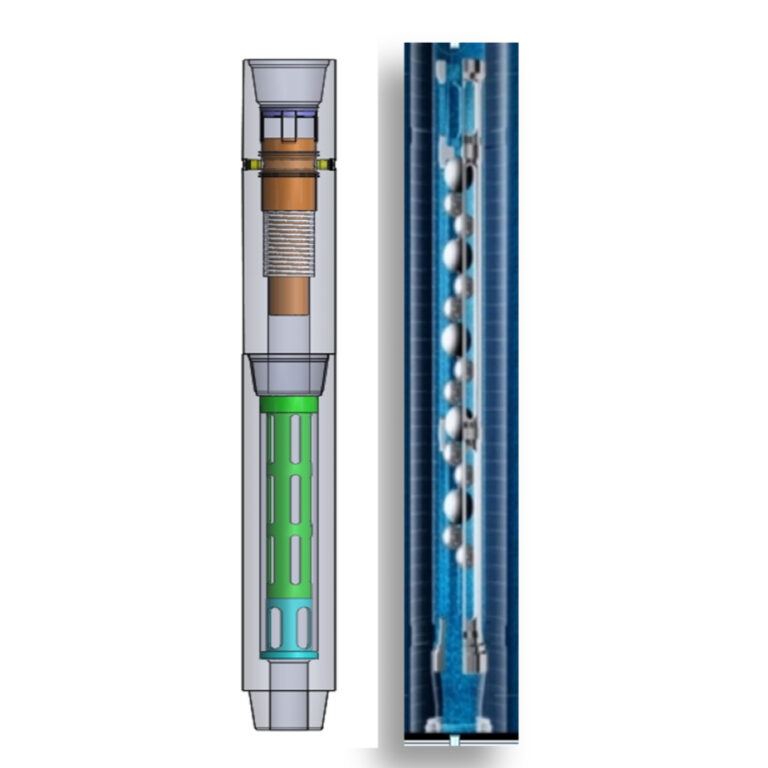
In the oil and gas industry, safety and efficiency are inextricably linked. While massive engineering focus is placed on advanced downhole electronics and steering systems, the foundational tools used on the rig floor are what keep the operation running safely. Among these, the 提升子系统 (also known as a handling sub) is one of the most critical safety components. It serves as the temporary mechanical link between the rig’s hoisting equipment and flush-joint downhole tools, preventing catastrophic dropped-object incidents during BHA assembly.

1. The “Shoulder” Problem: Handling Flush-Joint Tools

Standard drill pipe is designed with an upset tool joint that provides a natural 18° or 90° shoulder for the rig’s elevators to latch onto securely. However, many Bottom Hole Assembly (BHA) components—such as drill collars, stabilizers, mud motors, and MWD housings—are “flush-joint” tools, meaning their outer diameter is completely uniform.

  • 危险 Elevators cannot safely grip a smooth, flush cylinder. Attempting to lift a heavy drill collar without a shoulder creates an extreme risk of the tool slipping through the elevator, resulting in a fatal dropped-object event.
  • 解决方案 A Lifting Sub features a precision-machined, heavy-duty shoulder that mimics a standard drill pipe joint. By screwing the lifting sub into the top of a flush tool, crew members create a secure, rated latch point for the elevators.

2. Uncompromising HSE Compliance and Risk Mitigation

Dropped objects on the rig floor are among the leading causes of severe injuries and equipment damage in drilling operations. In 2026, international safety standards (such as API RP 54 and modern corporate HSE mandates) strictly prohibit the handling of slick downhole tools without a certified lifting device.

  • Secure Hoisting: Lifting subs are engineered to support the full weight of the BHA string during assembly.
  • Peace of Mind: Using a dedicated, load-rated lifting sub eliminates human error and mechanical slippage during the highest-risk moments of tripping in or out of the hole.

3. Protecting Precision Downhole Threads

Downhole tools represent a multi-million dollar investment. The threaded connections (pins and boxes) on MWD tools and mud motors are precision-engineered to withstand intense downhole torques.

  • Preventing Damage: When tools are picked up from the catwalk or moved around the rig floor, their threads are vulnerable to impact and misalignment.
  • Sacrificial Barrier: The lifting sub acts as a protective cap. By making up the lifting sub to the tool before it leaves the catwalk, the tool’s primary connection is shielded from slamming into the rotary table or rig structure.

4. Accelerating BHA Assembly and Tripping Speed

Efficiency on a modern drilling rig is measured in minutes per joint. A poorly managed rig floor slows down the entire operation.

  • Standardized Workflow: Lifting subs allow the floor crew to use standard drill pipe elevators to handle all BHA components. This eliminates the need to constantly switch out elevator inserts or use awkward handling slips and clamps.
  • Smooth Transitions: By standardizing the lifting interface, BHA assembly becomes a fluid, repeatable process, significantly reducing Non-Productive Time (NPT) during critical phase transitions.

5. Engineering and Metallurgical Standards

Because lifting subs bear the entire weight of heavy BHA components over the heads of the rig crew, their manufacturing standards are exceptionally rigorous.

  • Premium Materials: Manufactured from fully heat-treated alloy steel (typically AISI 4145H Mod) to ensure massive tensile strength and impact toughness.
  • Rigorous Testing: Each sub undergoes Non-Destructive Testing (NDT), including magnetic particle inspection, and is stamped with a unique serial number and its Maximum Allowable Safe Working Load (SWL).

6.结论

The Lifting Sub may seem simple compared to a rotary steerable system, but its role in operational safety is absolute. By providing a secure lifting shoulder, protecting expensive tool threads, and standardizing rig floor handling, it acts as the primary safeguard for both the rig crew and the equipment. Investing in premium-grade, certified lifting subs is a fundamental requirement for any operator committed to a zero-incident culture in 2026.