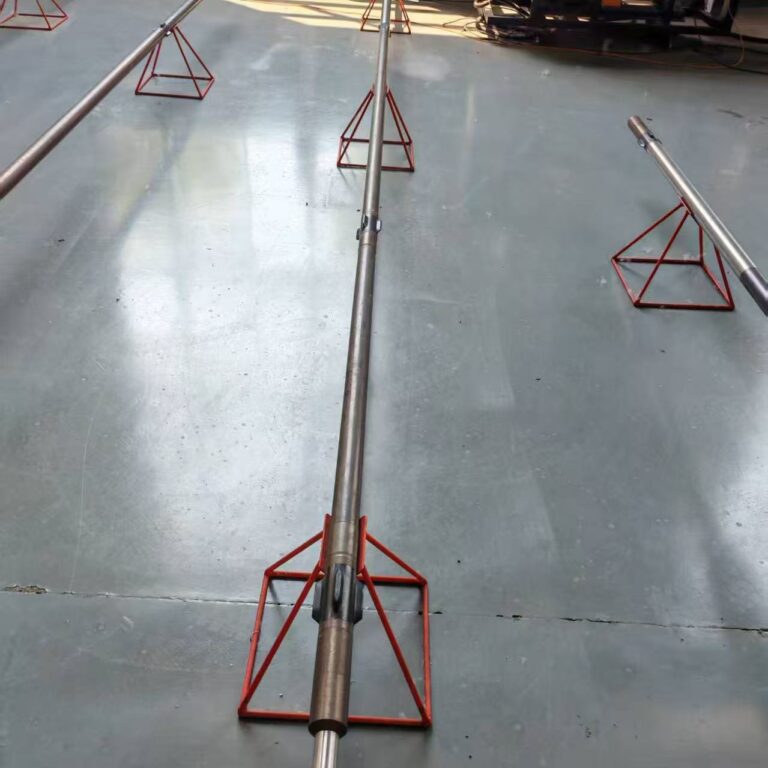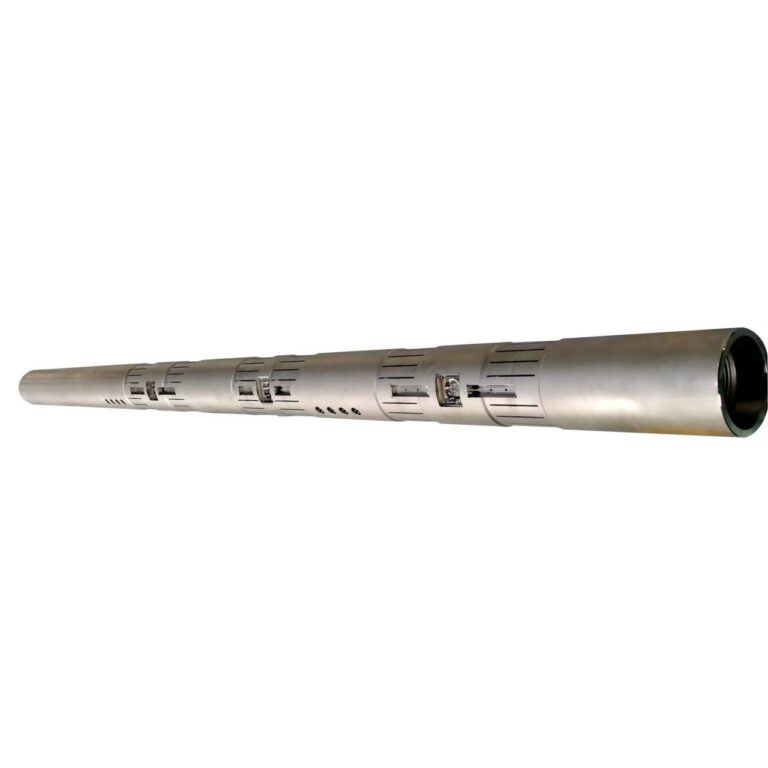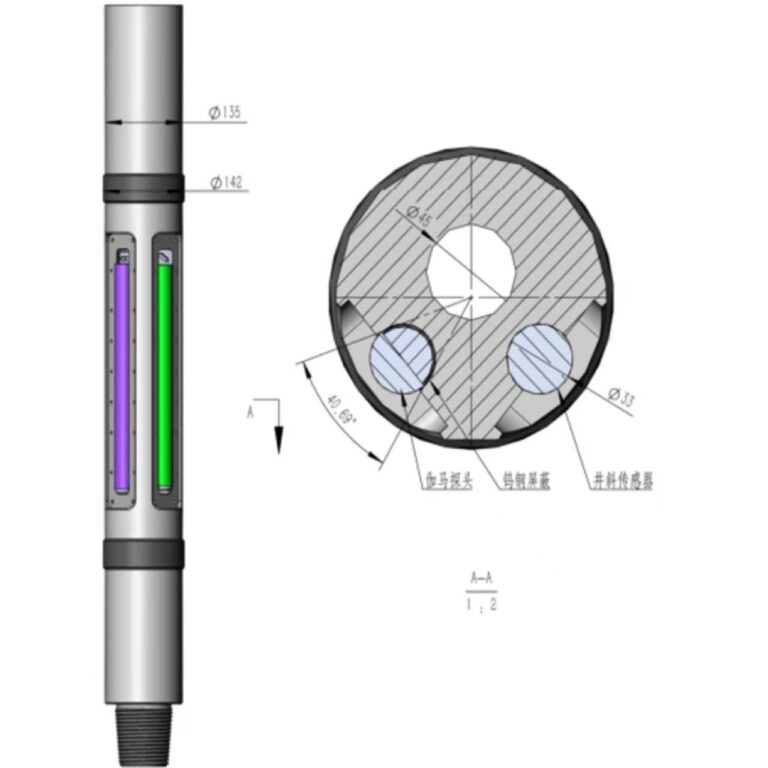



Spot-Check Positioning: The Persistent Utility of Electronic Single-Point Inclinometers
While high-speed Measurement While Drilling (MWD) and continuous steering systems dominate modern development drilling, sophisticated downhole telemetry is still vulnerable to mud washouts, severe thermal shock, signal attenuation, or battery failure. When real-time telemetry drops out mid-run, operators cannot afford to drill blind. In these critical contingency scenarios, the Electronic Single-Point Inclinometer remains an indispensable failsafe. Providing rapid, high-precision spot-check positioning, these self-contained survey instruments ensure that wellbore trajectory verification is always within reach, independent of surface mud pulse acoustics.
1. The Operational Mechanics of Electronic Inclinometers
Unlike continuous directional probes that stream data upward via mud pulses, single-point inclinometers operate on a drop-bar or wireline-retrieved batch recording mechanism.
- Timed-Delay Microprocessor Activation: Before deployment, engineers program the internal digital timer to sleep during pump-down and awaken precisely when the tool reaches the landing collar at the bottom of the drill string.
- Tri-Axial Acceleration Sensing: Utilizing high-precision quartz or silicon accelerometers, the device records inclination and gravity-referenced toolface coordinates during a stationary dwell period.
- Surface Data Extraction: Once pumped or pulled back to the rig floor, the tool is docked to a surface readout unit, downloading stored survey data instantly via optical or direct pin contacts.
2. Key Operational Advantages and Failsafe Utility
- Telemetry Independence: Operates completely free of mud properties, viscosity fluctuations, gas-cut columns, or rig hydraulic noise, serving as the ultimate ground-truth verification tool.
- Cost-Effective Quality Control: Provides an economical method to cross-reference and calibrate MWD survey drift over long intermediate intervals without requiring a full wireline logging run.
- Extreme Thermal and Shock Resilience: Housed in ruggedized titanium or beryllium-copper barrels designed to survive extreme bottom-hole vibration and high-enthalpy thermal spikes.
3. Engineering for Reliable Rig-Floor Deployment
- Precision Timing Synchronization: Advanced internal clocks drift by less than a fraction of a second per day, ensuring exact correlation between downhole station recording and drilling depth logs.
- Positive Mechanical Seating: Specially designed seating rings ensure the instrument orientates perfectly within the non-magnetic mule shoe or survey sub every single time.
4. Conclusion
Advanced automation does not render legacy reliability obsolete; it amplifies its value. By maintaining electronic single-point inclinometers as part of the drilling inventory, operators secure a bulletproof backup for spot-check positioning, guaranteeing absolute wellbore trajectory confidence from surface to total depth.