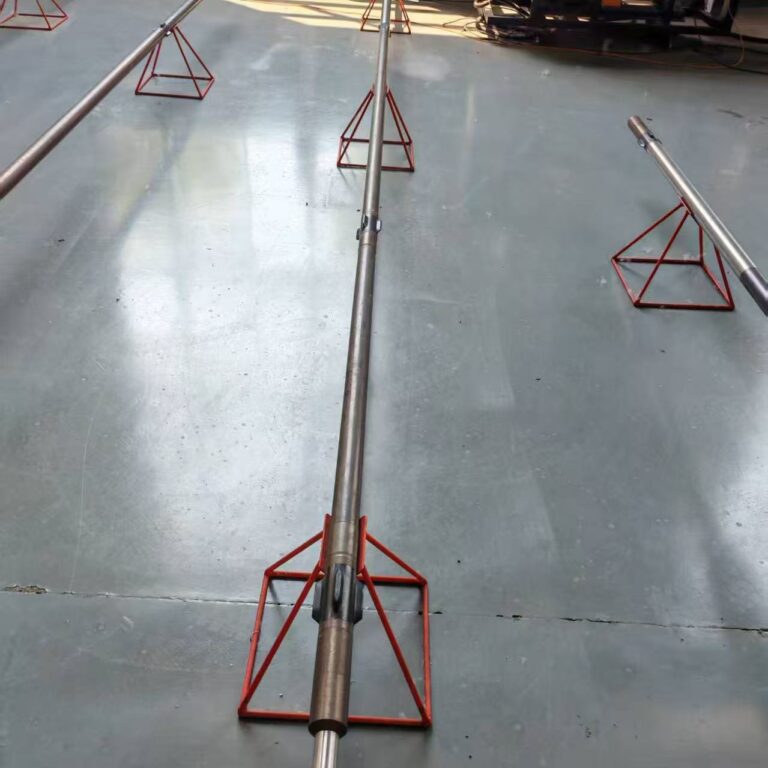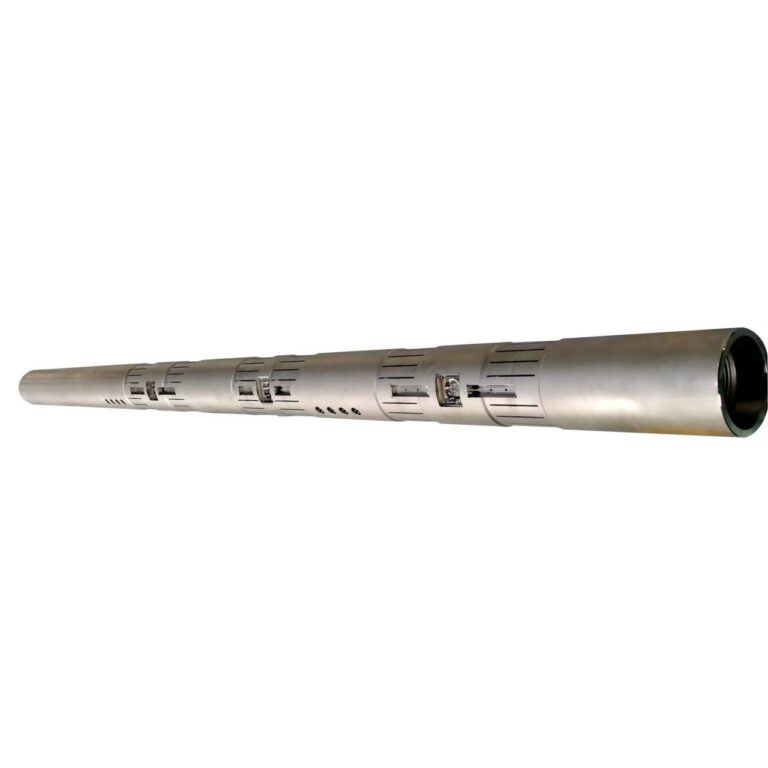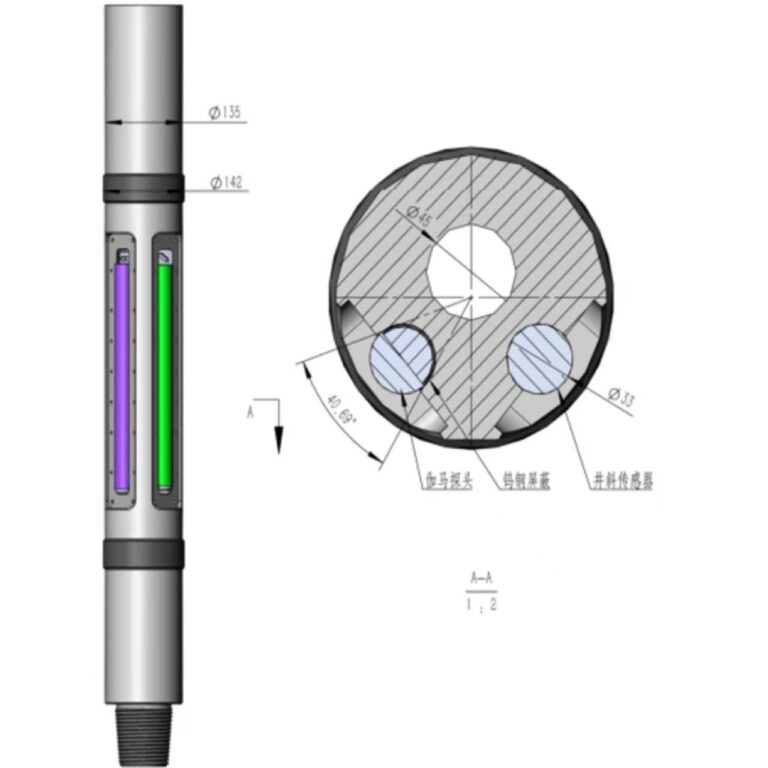



Multi-Strike Ball Bypass Valve: High-Reliability Circulation and Debris Clearing
Maintaining clean annulus conditions and managing high-rate fluid bypass during complex drilling, cementing, and wellbore cleanout operations is a persistent engineering challenge. Dropping conventional single-activation balls to cycle bypass subs often limits operators to a single operational window, requiring costly round trips if multiple cleanout cycles are needed. The Multi-Strike Ball Bypass Valve solves this limitation through advanced multi-activation mechanics, enabling multiple opening and closing cycles in a single run to deliver high-reliability fluid circulation, annular debris evacuation, and targeted pressure management on demand.
1. The Advanced Engineering Architecture of Multi-Strike Ball Activation
Unlike traditional one-shot drop-ball subs that permanently shift open or closed after a single actuation, the multi-strike valve utilizes an indexed mechanical sleeve and interlocking collet system designed for repeated cycling.
- Indexed Sleeve Mechanics: Each successive drop-ball or dart is dimensionally calibrated to engage specific internal latching shoulders, indexing the internal sliding sleeve through alternating open and closed flow positions.
- High-Flow Bypass Ports: When activated, internal flow paths divert a major fraction of the total mud volume directly from the drill string interior into the annulus above the BHA, bypassing restrictive motor or bit nozzles.
- Positive Mechanical Resetting: Engineered spring-loaded dogs and pressure-balanced seals ensure that the valve returns to a locked, leak-free drilling position after each designated actuation cycle.
2. Key Operational Advantages and Performance Metrics
- Multiple Cleanout Windows: Allows crews to perform successive wellbore sweeps, chemical pill displacements, and debris-clearing cycles on a single trip, drastically reducing non-productive time (NPT).
- Elevated Annular Velocity: Diverting high-rate fluid up into the annulus instantly boosts carrying capacity, efficiently sweeping heavy cuttings, metal shavings, and heavy barite sags out of extended laterals.
- Protection of Downhole Sensitives: Protects expensive MWD/LWD tools and mud motors from high-pressure fluid surges and abrasive lost circulation materials (LCM) during high-rate pumping phases.
3. Engineering for Harsh Downhole Environments
- Tungsten-Carbide Flow Erosion Shielding: Internal valve seats, shifting sleeves, and bypass nozzles feature heavy-duty tungsten carbide inserts to prevent catastrophic scouring from high-velocity abrasive muds.
- High-Pressure Structural Integrity: Forged from premium sour-service alloy steels (meeting NACE MR0175 standards), the body withstands extreme internal circulating pressures and heavy tensile-compressive BHA bending loads.
4. Conclusion
Operational flexibility is the cornerstone of efficient wellbore cleanout management. By harnessing multi-activation mechanics and robust erosion-resistant flow architectures, the Multi-Strike Ball Bypass Valve transforms routine fluid circulation into a versatile, multi-stage tool for total BHA and wellbore protection.